

Struggling to get your products noticed in busy stores? You're not alone. With countless brands fighting for space, simply being on the shelf isn't enough to guarantee a sale.
Point-of-purchase (POP) displays are your solution. These displays grab shopper attention right where it matters most: the point of decision. [19] By using creative designs and strategic placement, POP displays cut through the clutter, boost visibility, and drive both planned and impulse purchases, turning passing interest into actual sales. [19]

In today's fast-paced retail world, the battle for a shopper's attention is more intense than ever. As a CPG brand manager, I've seen firsthand how quickly a great product can get lost in the noise. That's why we need to think beyond the shelf and create moments that make customers stop and engage. This is where a well-designed POP display becomes a brand's most valuable player. It’s our chance to tell a story, make a connection, and ultimately, win the sale. Let’s dive into how these displays can make all the difference.
Why CPG Brands Must Fight for Shopper Attention?
Feeling like your products are invisible on crowded store shelves? It’s a common frustration. In the competitive CPG world, fighting for a shopper's glance is a battle you can't afford to lose.
The modern retail environment is incredibly saturated, with countless products all competing for limited attention. [30] Studies show that a staggering 82% of purchase decisions are made in-store, and 62% of those are impulse buys1, highlighting the critical need for strong visibility at the point of decision. [41] Shelf placement alone no longer guarantees success2. [39]
In my years in this business, I’ve learned that visibility is a major competitive advantage. [41] When a shopper walks down an aisle, they are bombarded with options. They often make decisions in a matter of seconds. [45] If your product doesn't immediately stand out, it's as good as invisible. Being overlooked means more than just a lost sale; it means a competitor wins that customer. The store aisle is the new frontline for CPG advertising, and a simple product on a shelf is not enough to win the war for attention. [26] We have to be disruptive. We need to create a visual break in the routine of the aisle and give shoppers a reason to pause and consider our product over the dozens of others surrounding it. This is why investing in visibility isn't just a marketing expense; it's a strategic necessity for survival and growth.
Creating a Brand Experience Beyond the Product?
Is your in-store presence just about moving units? It's time to think bigger. Your displays should be powerful brand-building tools, not just silent salespeople holding your stock.
A well-designed POP display transforms a simple transaction into a memorable brand experience3. [24] It uses graphics, colors, and structure to tell your brand’s story right at the point of purchase, reinforcing your identity and making a lasting impression that drives stronger sales. [25, 44]
I remember a campaign we ran for a new organic snack line. Instead of a standard shelf display, we designed a custom POP display that looked like a miniature farmer's market stand, complete with wood textures and rustic colors. This wasn't just about showcasing the product; it was about communicating our brand's commitment to natural ingredients and quality. [28] The display became an extension of our brand's story. [19] It created a connection with shoppers that went beyond the product itself, making them feel like they were part of something authentic. [37] This approach allows you to build brand recognition and loyalty right in the store aisle. [36] It’s how you turn a fleeting glance into a meaningful interaction and, ultimately, a loyal customer. Your display shouldn't just hold the product; it should embody the brand.
The Display Elements That Influence Purchase Decisions?
Ever wonder what makes a shopper stop and grab your product? It’s not random. Specific design elements in your POP display can dramatically influence their decision to buy4.
The most effective displays combine strong visual impact with clear, concise messaging. [31] It's about grabbing attention instantly with bold colors and graphics, and then quickly communicating the product's key benefits or promotional offers to encourage a purchase. [5, 36]
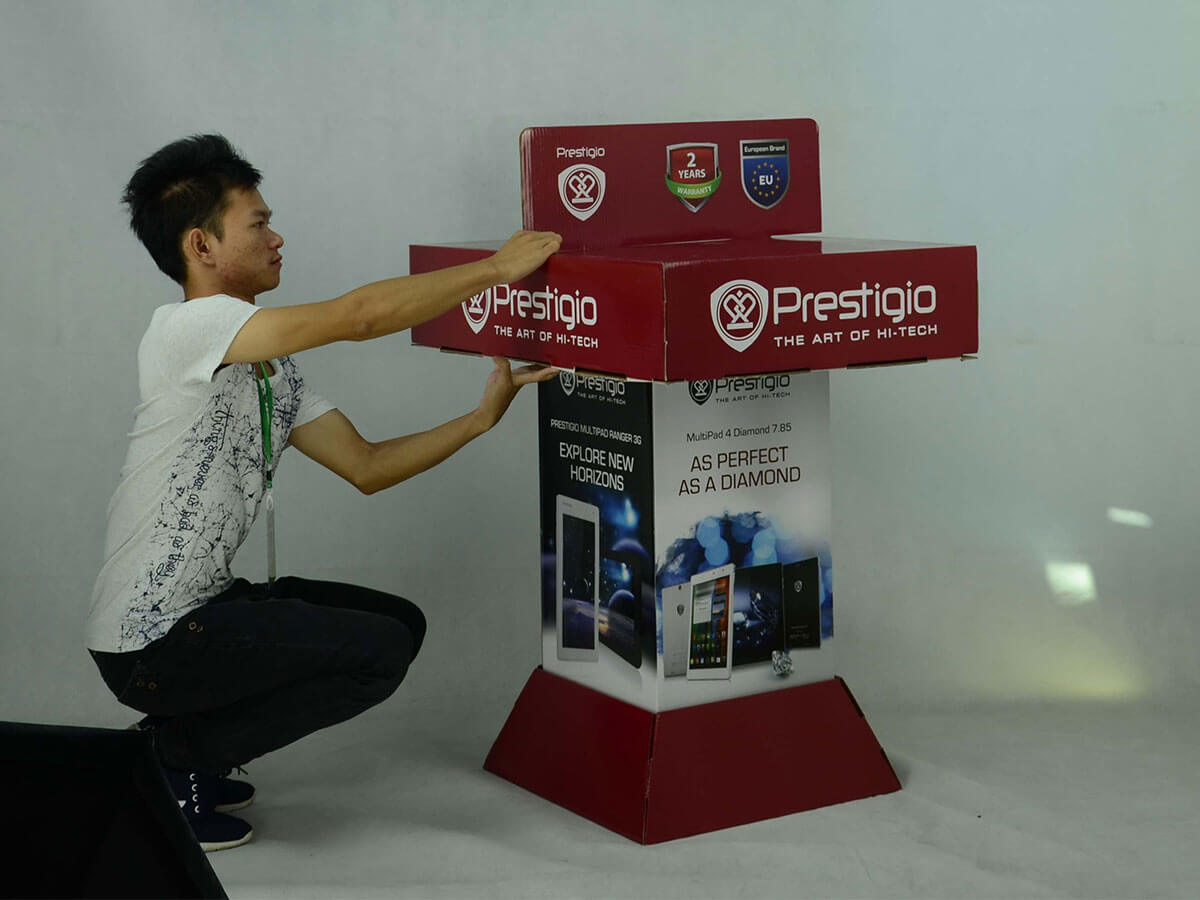
The secret to a successful POP display is a strategic combination of several key elements. It's a science as much as an art. Based on my experience, here’s a breakdown of what truly moves the needle:
| Element | Why It Matters | Best Practices |
|---|---|---|
| Visual Impact | In a sea of products, your display must have "stopping power." It’s the first thing that catches a shopper's eye from a distance. [33] | Use bold, contrasting colors and large, inviting graphics. Don't be afraid of unconventional shapes to break the monotony of the aisle. [32] |
| Clear Messaging | Shoppers make decisions quickly. Your message needs to be understood in a glance. [31] | Focus on short, catchy headlines. Use bullet points for key benefits and make sure your offer is front and center. [31] |
| Strategic Product Presentation | How the product is arranged matters. It should look appealing and be easy for the shopper to take. | Place products at eye level and ensure they are easy to reach. An abundant-looking display can create a sense of demand. [24, 46] |
| Interactive & Educational Features | Engagement deepens the connection. Giving shoppers a way to interact or learn more can turn interest into a sale. | QR codes linking to videos, product demos, or even simple "lift to see" flaps can be highly effective. [31, 32] |
By mastering these elements, you're not just putting a product on display; you're creating a carefully crafted experience designed to guide the customer from discovery to purchase.
Which POP Displays Deliver the Greatest Impact?
Not all displays are created equal. Choosing the right type of POP display for your specific goal can be the difference between a good campaign and a great one.
The most impactful display depends entirely on your objective. Are you launching a new product, driving impulse buys at the checkout, or maximizing visibility during a key sales season? Each scenario calls for a different strategic approach.
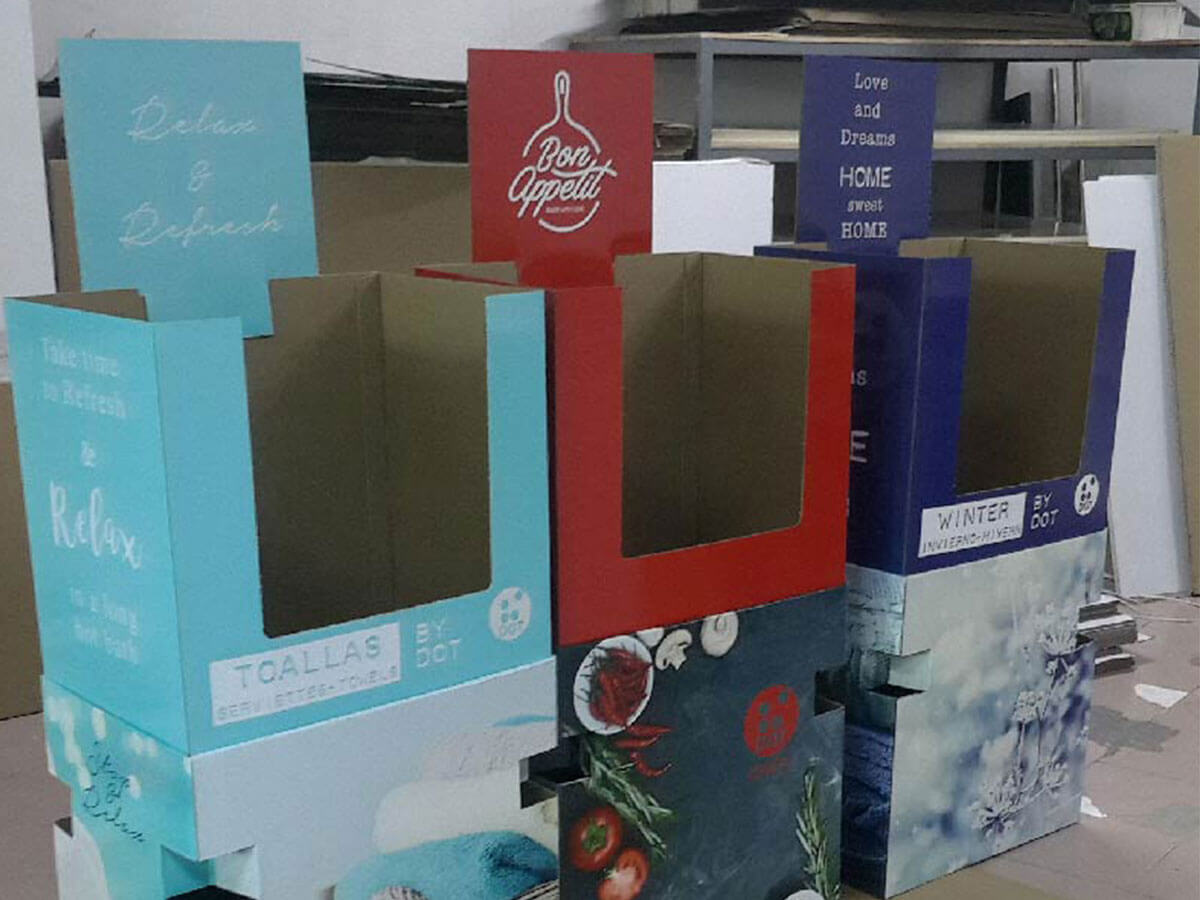
Over the years, I've learned to match the display type to the marketing goal for maximum impact. A massive floor display might be perfect for a big launch but would be overkill for a small impulse item. Here’s a quick guide to some of the most effective display types and when to use them:
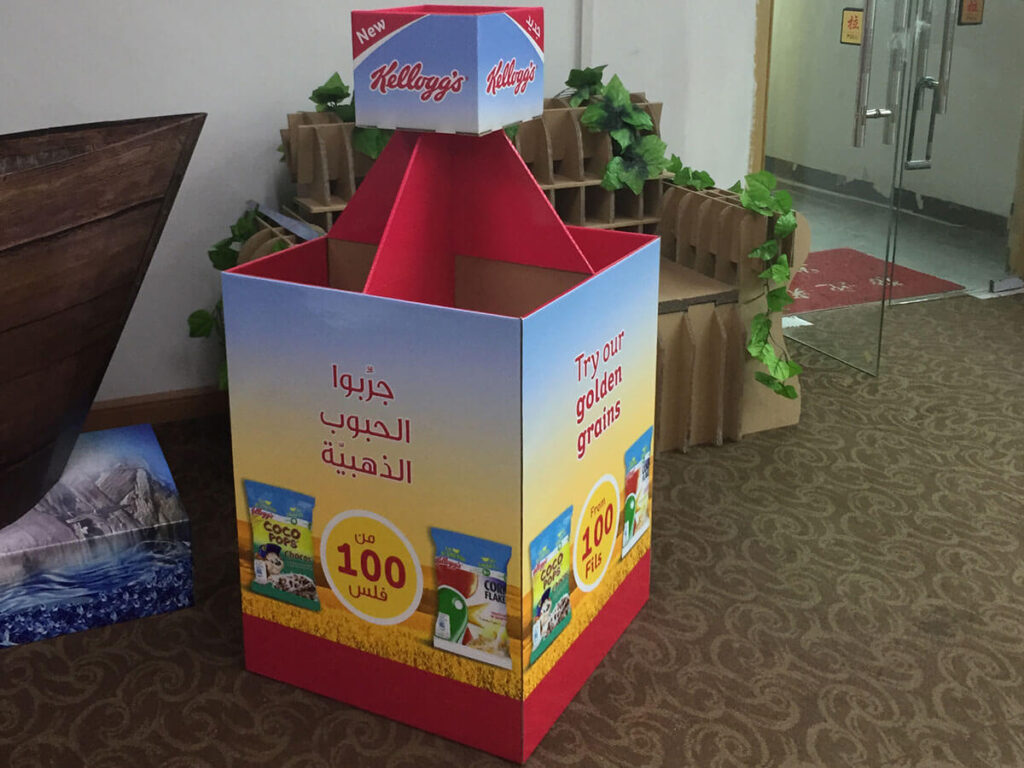
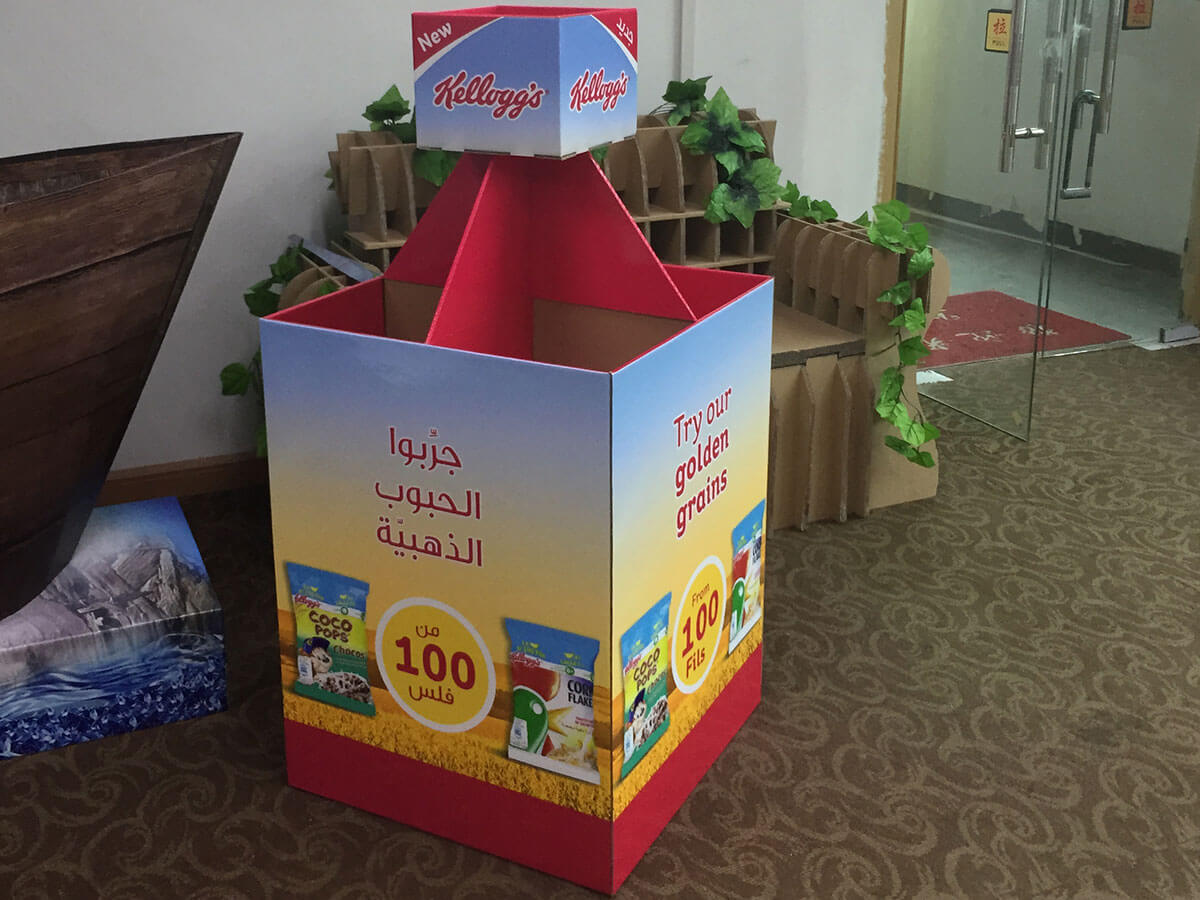
- Floor Displays: These freestanding units are workhorses for making a big statement. [34] Their size commands attention, making them ideal for new product launches or major promotions where you need to stand out and hold a larger quantity of merchandise. [34, 45]
- Endcap Displays: Located at the end of aisles, these are prime real estate for visibility. [35] They catch shoppers as they move through the store, making them perfect for high-margin products, seasonal campaigns, and driving impulse sales in high-traffic areas. [24, 35]
- Counter Displays: These small displays placed at the checkout are masters of the impulse purchase. [24] They capitalize on a captive audience waiting in line, making them perfect for small, low-cost items like candy, lip balm, or travel-sized products. [34, 46]
- Interactive Displays: In an increasingly digital world, displays that engage shoppers through touchscreens, QR codes, or product demos create a memorable experience. [36] These are fantastic for educating consumers about a new product's features or telling a deeper brand story. [31]
- Seasonal Displays: Tying your display to a holiday or season creates immediate relevance and a sense of urgency. [32] Whether it's a back-to-school theme or a holiday promotion, these displays tap into the shopper's mindset at a specific time of year. [46]
Choosing the right display is about being strategic. Think about your product, your customer, and what you want to achieve.
Turning Shopper Attention Into CPG Sales Growth?
You’ve captured their attention with a great display. Now what? The final, most crucial step is converting that interest into measurable sales growth and long-term loyalty.
An effective POP display does more than just look good; it prompts action5. It should encourage shoppers to try the product, add it to their basket, and ultimately become a repeat customer.

In my role, I'm always focused on the return on investment. A beautiful display is nice, but a display that drives sales is essential. The ultimate goal is to see a direct lift in sales and build a stronger brand. The key is to make the path from seeing the display to buying the product as seamless as possible. This is how we encourage trial and increase the basket size with impulse purchases. [41, 46] But the work doesn't stop once the display is in the store. Measuring its performance is critical6. We track key metrics like sales lift in stores with the display versus those without, customer engagement time, and even foot traffic patterns around the display. [29, 35, 43] This data provides invaluable insights, allowing us to refine our strategies for future campaigns. [43] A successful POP display is a powerful tool for immediate sales, but its true value lies in its ability to build a lasting connection with the customer, fostering the brand loyalty that drives sustainable growth. [36]
Conclusion
In the end, winning at retail comes down to breaking through the noise. Point-of-purchase displays are your most powerful tool to capture attention, create meaningful brand experiences, and drive real sales growth7.
"Factors Affecting Impulse Buying Behavior of Consumers - PMC - NIH", https://pmc.ncbi.nlm.nih.gov/articles/PMC8206473/. This source provides statistical evidence on the percentage of purchase decisions made in-store and the proportion of those that are impulse buys. Evidence role: statistic; source type: research. Supports: A significant percentage of purchase decisions are made in-store, with a large portion being impulse buys.. Scope note: The data may vary by region or retail category. ↩
"BRAND PLACEMENT AND CONSUMER CHOICE: AN IN-STORE ...", https://pmc.ncbi.nlm.nih.gov/articles/PMC2741065/. This source discusses the limitations of shelf placement in driving product visibility and sales in modern retail environments. Evidence role: expert_consensus; source type: education. Supports: Shelf placement is insufficient for ensuring product success in competitive retail environments.. Scope note: The insights may focus on specific retail sectors rather than all consumer goods. ↩
"POINT-OF-PURCHASE INSIGHTS: THE IMPACT OF RETAIL POP ...", https://www.bcipkg.com/point-of-purchase-insights-the-impact-of-retail-pop-displays-on-consumer-behavior/. This source explains how point-of-purchase displays can enhance brand storytelling and customer engagement. Evidence role: mechanism; source type: institution. Supports: POP displays can elevate a transaction into a brand-building experience.. Scope note: The effectiveness may depend on the specific design and execution of the display. ↩
"Part 2: Types of POP Displays", https://www.creativedisplaysnow.com/guides/the-ultimate-beginners-guide-to-pop-displays/types-of-pop-displays/. This source identifies design elements in POP displays that impact consumer purchasing decisions. Evidence role: mechanism; source type: research. Supports: Design elements in POP displays significantly affect consumer buying behavior.. Scope note: The findings may be based on controlled studies rather than real-world retail environments. ↩
"POINT-OF-PURCHASE INSIGHTS: THE IMPACT OF RETAIL POP ...", https://www.bcipkg.com/point-of-purchase-insights-the-impact-of-retail-pop-displays-on-consumer-behavior/. This source discusses how effective POP displays drive consumer action and influence purchasing decisions. Evidence role: mechanism; source type: research. Supports: Effective POP displays prompt consumer action beyond visual appeal.. Scope note: The impact may depend on the specific design and placement of the display. ↩
"How to Measure Retail Display Success - Frank Mayer", https://www.frankmayer.com/blog/how-to-measure-retail-display-success/. This source outlines methods for evaluating the performance of POP displays in retail settings. Evidence role: mechanism; source type: education. Supports: Measuring the performance of POP displays is essential for refining retail strategies.. Scope note: The metrics discussed may not apply to all retail environments or display types. ↩
"Why POP Displays Are an Effective Marketing Strategy", https://www.greatnortherninstore.com/2024/07/why-pop-displays-are-an-effective-marketing-strategy/. This source supports the claim that POP displays are effective tools for capturing attention and driving sales growth. Evidence role: general_support; source type: institution. Supports: POP displays are powerful tools for attention capture, brand experience creation, and sales growth.. Scope note: The effectiveness may depend on the specific design and execution of the display. ↩
