
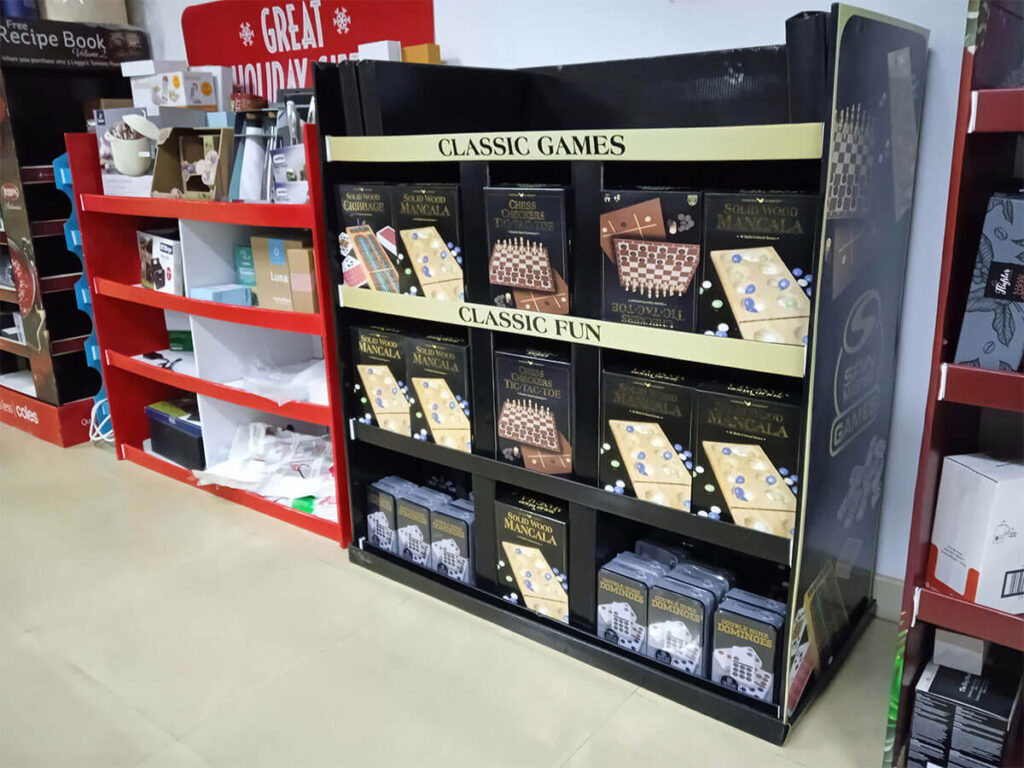

Getting your product into big-box stores feels impossible. You have a great product, but the door seems locked. The secret is knowing what buyers are really looking for.
Getting into large chain stores requires more than a great product. You need a retail-ready business with proven demand, correct pricing and packaging, a solid supply chain, and a marketing plan that helps the retailer increase their category's sales and profitability. It's about being a low-risk partner.
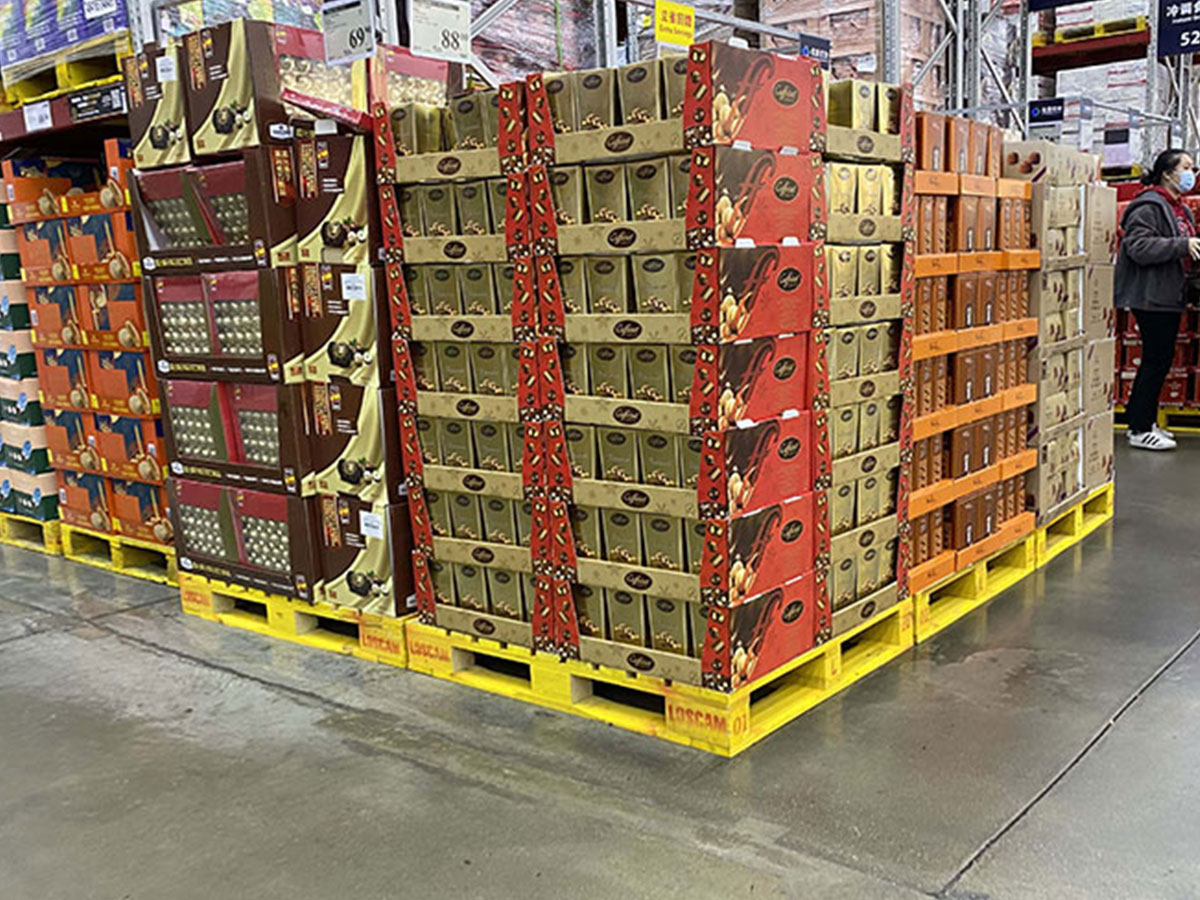
I’ve spent years helping brands get onto the shelves of stores like Walmart, Target, and Costco. Many people think it's all about having the best product, but that's only a small piece of the puzzle. The real journey involves thinking like a retailer and preparing for every step of the process. It’s a marathon, not a sprint. In this post, I’ll walk you through exactly what it takes, from understanding the buyer's mindset to creating a pitch they can't refuse. Let's break it down together.
Understanding What Retail Buyers Actually Want?
You believe your product is perfect for their customers. But after your pitch, all you hear is silence. It’s frustrating when you don't know what you did wrong.
Retail buyers want products that will increase their entire category's sales and profit.1 They look for proven sales data, low supplier risk, and a brand that will actively help drive shoppers into their stores. Your product is a means to their business goals.
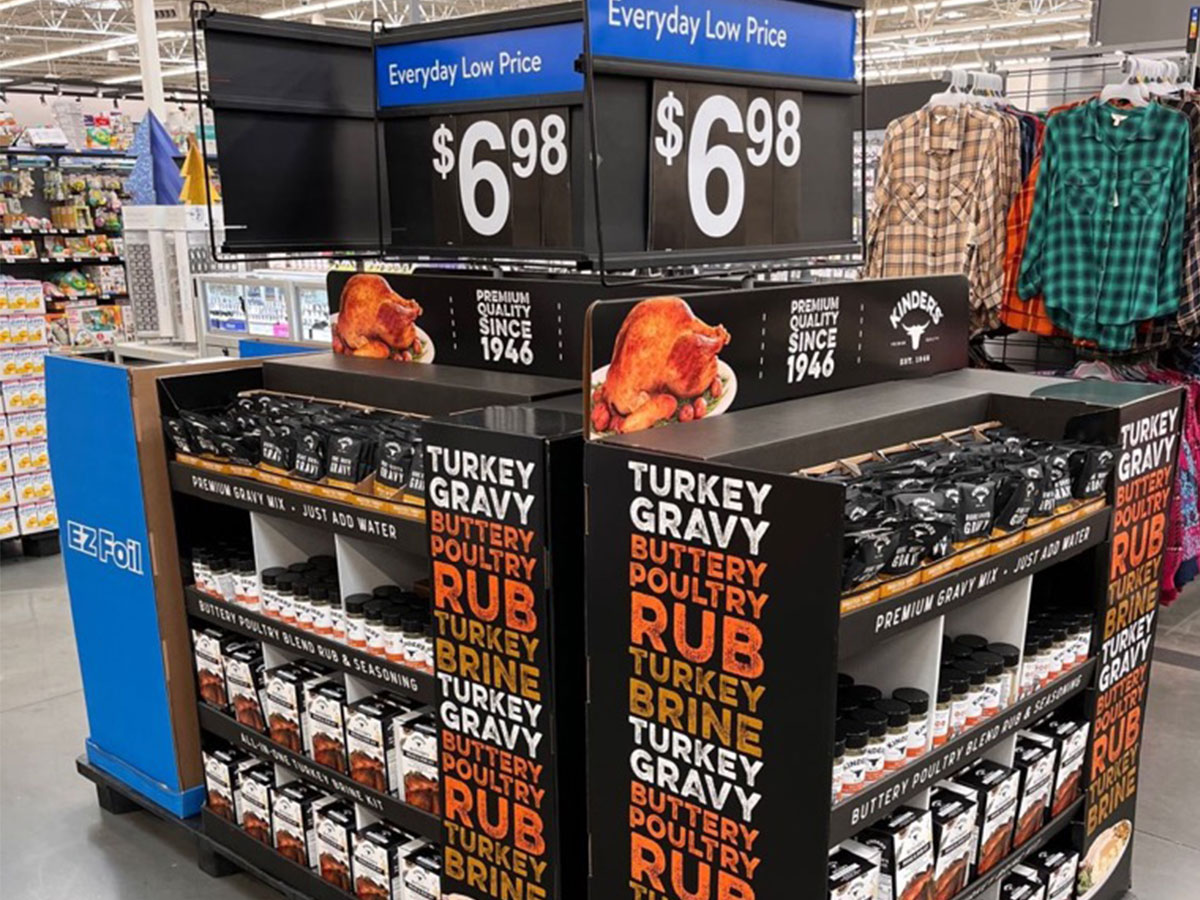
When I first started, I thought buyers just wanted cool, new products. I remember a meeting where I spent twenty minutes talking about my product's amazing features. The buyer was polite but unimpressed. He finally stopped me and said, "I don't buy products, I buy profit." That changed my perspective forever. Retail buyers are category managers.2 Their job is judged on metrics like sales per square foot, inventory turnover, and overall category growth. They don’t just add a product; they replace another one. You have to prove your product will perform better than what's currently on the shelf. They are looking for partners who understand their business and can help them hit their numbers. It's less about your brilliant idea and more about how your product solves a problem for them, whether it's filling a gap in their assortment or attracting a new type of customer.
| What Brands Think Buyers Want | What Buyers Actually Want |
|---|---|
| A unique, innovative product | A product with proven sales data |
| The lowest possible price | A healthy profit margin for them |
| A great brand story | A marketing plan to drive traffic |
| Product features and benefits | Low risk and a reliable supply chain |
Building a Retail-Ready Product Before the First Pitch?
You're excited and want to pitch your product to everyone. But approaching a big retailer before you're ready can get your brand blacklisted. You only get one first impression.
A retail-ready product has professional, scannable packaging, a price that allows for retailer margin, and a tested supply chain.3 Retailers need proof you can handle large, consistent orders and meet all compliance requirements without causing them problems.4
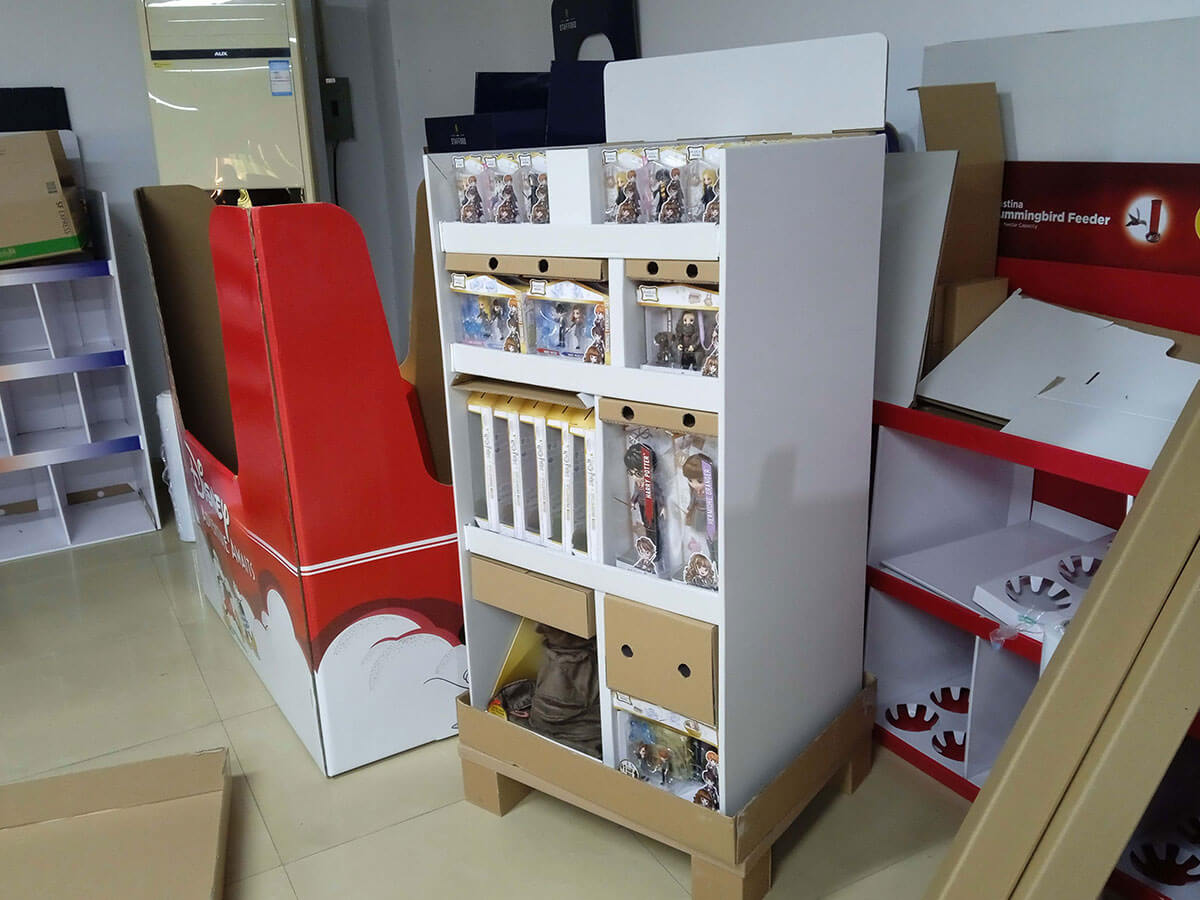
Being "retail-ready" is about de-risking your brand for the buyer. They are terrified of empty shelves or products that cause logistical nightmares. Before you even think about scheduling a meeting, you must have your operations locked down. This means your packaging isn't just pretty; it has a scannable UPC, protects the product through rough shipping, and clearly communicates what it is. Your pricing needs to be calculated backward from the shelf price, ensuring the retailer gets their typical margin (often 40-55%).5 Most importantly, you need a supply chain that can scale. If a retailer for 2,000 stores places an order, can you deliver? You need to have answers for production capacity, quality control, and logistics. Retailers work with thousands of vendors; they don't have time to fix your problems. They will simply choose a supplier who is already prepared.
Key Areas of Retail Readiness
- Packaging: Must be durable, have a GS1-registered UPC, and fit standard shelf dimensions.
- Pricing: Your wholesale price must give the retailer their required profit margin.
- Compliance: You need liability insurance and the ability to comply with the retailer's vendor manual, which can cover everything from shipping labels to EDI (Electronic Data Interchange) for orders.
- Supply Chain: You must have a documented plan for manufacturing, inventory, and fulfillment to handle large volume orders.
Creating a Marketing Plan That Supports Retail Sales?
You did it. Your product is on the shelf at a major retailer. But now it’s just sitting there, and the buyer is calling. Sales are not meeting expectations.
Buyers expect you to have a marketing plan that drives shoppers to their stores to buy your product.6 A product presentation is not enough; you must show how you will help sell it off their shelves.

One of the biggest lessons I learned is that the retailer’s job is to give you shelf space; your job is to get the product off the shelf. A buyer wants to see a detailed marketing plan that shows you're committed to the product's success long after delivery. This isn't just about your brand's social media. It's about a collaborative effort to drive sales within their stores. Your plan should show how you will support the product launch and ongoing sales. This could include a budget for in-store demos, a social media campaign geo-targeting shoppers near their stores, or a PR push announcing where the product is available. A strong plan demonstrates that you are a true partner invested in mutual success, not just a vendor who drops off a pallet and hopes for the best.7
Components of a Strong Retail Marketing Plan
- Launch Support: How will you make a big splash in the first 90 days? Think digital ads, influencer campaigns, and press releases specifically mentioning the retailer.
- In-Store Activity: Do you have a budget for temporary displays, coupons, or shopper marketing programs run by the retailer?
- Ongoing Promotion: What is your year-round plan to keep sales momentum? This includes your own brand advertising that helps build demand.
- Sales Lift Measurement: How will you track the success of your marketing efforts and report back to the buyer? They love data that proves you're a valuable partner.
Why Custom Retail Displays Help Win Retail Placement?
Your amazing product is on the shelf, but it's lost in a sea of competitors. It's practically invisible to shoppers, and if they can't see it, they can't buy it.
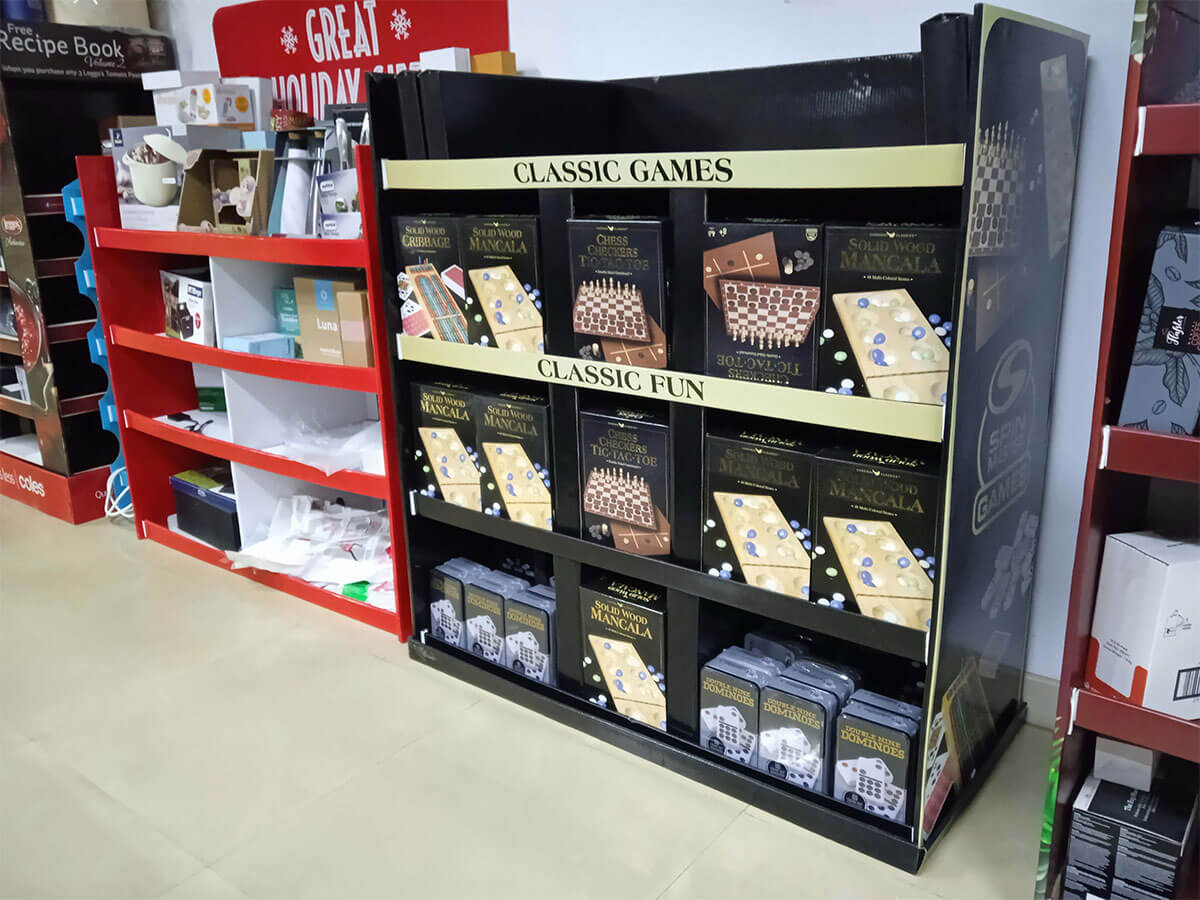
Custom retail displays make new products impossible for shoppers to ignore.8 They grab attention, educate consumers, and help retailers by providing a simple, effective merchandising solution that is proven to increase category sales.

I've seen it happen time and time again. A great brand gets a "yes" from a buyer, but they only get a single slot on a crowded shelf. Sales are slow. A different brand, however, walks into the pitch with a plan that includes a custom retail display. This changes everything for the buyer. Why? Because a display solves multiple problems for them. It gets the product out of the main aisle and into high-traffic areas. It acts as a silent salesperson, explaining the product's benefits. Most importantly, it makes merchandising easy. The retailer doesn't have to figure out where to put your product; you've given them a pre-packaged solution. Showing a buyer a rendering of a fully stocked floor display or pallet display in your presentation shows you've thought the whole process through. It proves you're serious about driving sales in their store.
| Display Type | Best Use Case | Retailer Benefit |
|---|---|---|
| Floor Display | Launching a new product, telling a brand story. | Flexible placement, high visibility in-aisle. |
| Pallet Display | High-volume seasonal or promotional items. | Minimal stocking labor, huge sales lift in main aisles. |
| Endcap Display | Driving impulse buys and promoting sales. | Prime real estate, proven to drive high sales velocity. |
| Counter Display | Small, high-margin, or impulse items. | Converts shoppers at the point of purchase. |
The Biggest Mistakes Brands Make When Approaching Large Retailers?
You keep getting rejected by big retailers, and you don't know why. It feels like you're hitting a brick wall, making the same common mistakes that are easy to avoid.
The biggest mistakes are pitching before your business is ready to scale, focusing on product features instead of retail metrics, ignoring retailer timelines, and underestimating the complexity of logistics.9 Brands fail when they aren't prepared.
I once sat in a meeting with a young brand that had a fantastic product. But they had no sales history, no logistics plan, and no idea what an EDI was. The buyer politely ended the meeting in five minutes. They made the classic mistake of pitching an idea, not a business. Large retailers are not incubators for startups; they are massive, complex machines that require their suppliers to be just as professional. Focusing on your product's cool features is another common error. The buyer doesn't care about the features; they care about the sales velocity, profit margin, and how you will grow their category. Ignoring their specific review timelines is like showing up to a party a week late. And underestimating logistics can bankrupt you. Chargebacks for incorrect labeling or late shipments can wipe out your entire profit margin.10 Avoiding these pitfalls is about doing your homework and being brutally honest about your company's readiness to play in the big leagues.
Top 5 Mistakes to Avoid
- Pitching Too Soon: Don't approach a national retailer until you have strong sales data from independent stores or online channels.
- The "Feature Dump": Instead of listing features, present a business case. Show the buyer how your product will make them money.
- Ignoring the Calendar: Every category has a specific review period.11 Pitching outside this window is a waste of time. Research their schedule first.
- No Logistics Plan: Have a 3PL (third-party logistics) partner and understand the retailer's compliance manual before your first meeting.
- Failing to Support the Product: Getting on the shelf is the starting line. You need a post-launch marketing and sales plan to stay there.
Conclusion
Getting into large retail stores is about being a strategic partner, not just a vendor. It requires deep preparation and a focus on helping the retailer achieve their goals.
"[PDF] Towards a New VISTA: The Experiential Future of Retail Brands", https://www.fitnyc.edu/documents/cfmm/brand-experience-whitepaper.pdf. This source explains the metrics retail buyers prioritize, such as sales per square foot and inventory turnover, supporting the claim that buyers focus on category performance. Evidence role: expert_consensus; source type: education. Supports: Retail buyers prioritize products that enhance category sales and profitability.. ↩
"What Do Procurement Category Managers Do: Daily Work & Skills", https://www.franklin.edu/career-guide/purchasing-managers/what-do-procurement-category-managers-do. This source explains the role of retail buyers as category managers, focusing on metrics like inventory turnover and category growth. Evidence role: definition; source type: education. Supports: Retail buyers act as category managers, focusing on metrics like inventory turnover and growth.. ↩
"560 R.I. Code R. 560-RICR-10-10-2.7 - Labeling Requirements for ...", https://www.law.cornell.edu/regulations/rhode-island/560-RICR-10-10-2.7. This source outlines the essential components of a retail-ready product, including packaging, pricing, and supply chain requirements. Evidence role: definition; source type: education. Supports: Retail-ready products must meet specific packaging, pricing, and supply chain standards.. ↩
"Federated Department Stores", https://hrlibrary.umn.edu/links/feddeptstores.html. This source outlines the operational requirements retailers expect from suppliers, including order consistency and compliance. Evidence role: definition; source type: education. Supports: Retailers require suppliers to demonstrate operational readiness and compliance capabilities.. ↩
"[PDF] Money Matter$ Pricing for Profit", https://ucanr.edu/sites/default/files/2016-04/207591.pdf. This source provides guidelines on calculating retail pricing to ensure typical margins for retailers, supporting the claim about pricing strategies. Evidence role: mechanism; source type: education. Supports: Retail pricing must ensure typical margins for retailers, often calculated backward from the shelf price.. Scope note: Margin percentages may vary by retailer and product category. ↩
"10 Effective Marketing Strategies for 2025 | Park University", https://www.park.edu/blog/effective-marketing-strategies/. This source discusses the importance of marketing plans in retail partnerships, emphasizing their role in driving in-store sales. Evidence role: expert_consensus; source type: education. Supports: Retail buyers expect suppliers to present marketing plans that support in-store sales.. ↩
"[PDF] How Organizations and Their Brands Leverage Marketing ...", https://scholarship.claremont.edu/cgi/viewcontent.cgi?article=3115&context=cmc_theses. This source emphasizes the importance of collaborative marketing plans in retail partnerships, supporting the claim about supplier roles. Evidence role: expert_consensus; source type: education. Supports: Collaborative marketing plans demonstrate supplier commitment to mutual success in retail partnerships.. ↩
"Retail design display, Point of purchase, Display design - Face ...", https://face.meei.harvard.edu/point-of-purchase-displays/retail-design-display-point-of-purchase-display-design. This source provides evidence on how custom retail displays enhance product visibility and drive sales, supporting the claim about their effectiveness. Evidence role: mechanism; source type: research. Supports: Custom retail displays significantly improve product visibility and sales.. Scope note: The effectiveness may vary depending on the product category and store layout. ↩
"Released article: Adopting a retail phygital experience via open ...", https://blog.iese.edu/entrepreneurship/2022/10/28/released-article-adopting-a-retail-phygital-experience-via-open-innovation-the-story-of-wow/. This source identifies common mistakes brands make when pitching to retailers, including readiness and logistics challenges. Evidence role: expert_consensus; source type: education. Supports: Brands often fail in retail pitches due to lack of readiness and focus on metrics.. ↩
"[PDF] A Review and Analysis of Service Level Agreements and ...", https://digitalcommons.bucknell.edu/cgi/viewcontent.cgi?article=2789&context=fac_journ. This source explains the financial impact of chargebacks on suppliers, supporting the claim about their risks. Evidence role: mechanism; source type: education. Supports: Chargebacks for labeling errors or late shipments pose significant financial risks to suppliers.. Scope note: Chargeback policies may vary by retailer and contract terms. ↩
"Retailing Revolution: Category Killers on the Brink - Baker Library", https://www.library.hbs.edu/working-knowledge/retailing-revolution-category-killers-on-the-brink. This source discusses the importance of category-specific review periods in retail, supporting the claim about timing in pitches. Evidence role: mechanism; source type: education. Supports: Retail categories have specific review periods that suppliers must adhere to.. Scope note: Review periods may differ across retailers and product categories. ↩
