
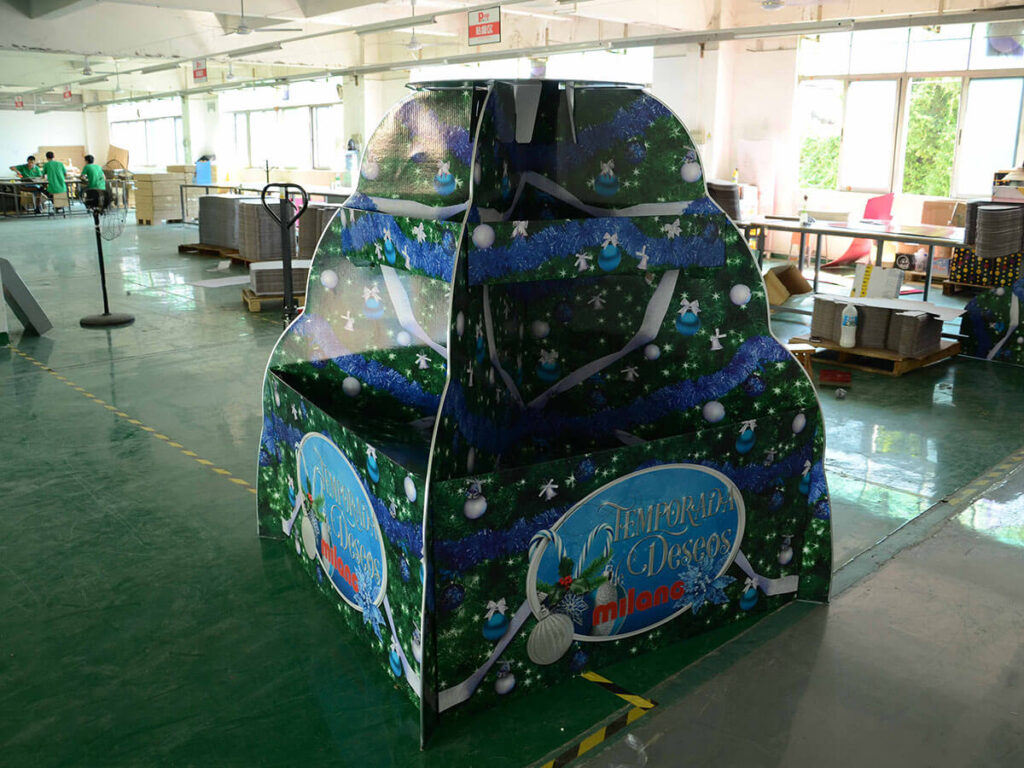

When it comes to selling consumer electronics, the competition can be intense. With so many options on the market, how do you grab shoppers' attention and keep it? The answer often lies in using effective POP displays.
POP displays influence consumer electronics buying decisions by enhancing visibility, creating emotional connections, and reducing purchase hesitation.1 They serve as silent salespeople, guiding shoppers to make quicker, more confident decisions.
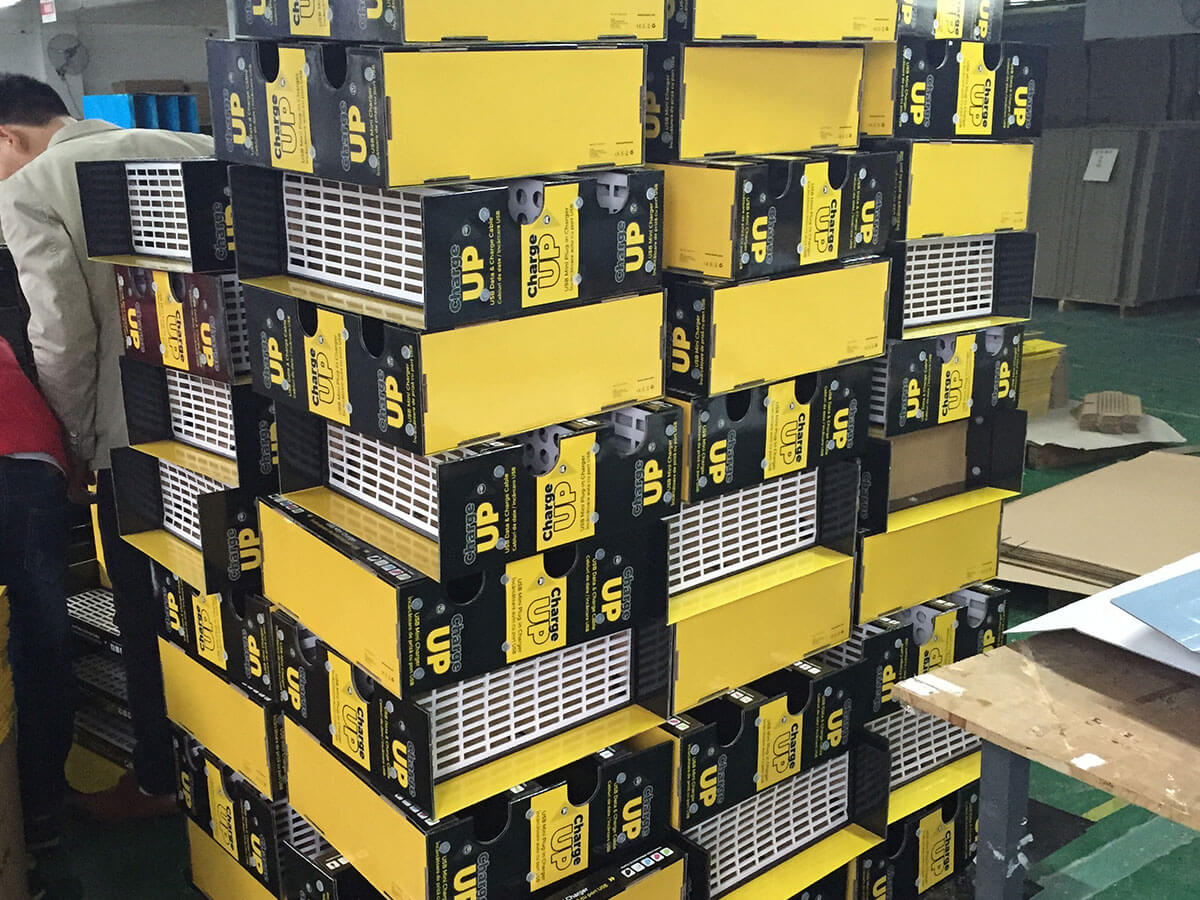
Designing the right POP display means understanding consumer behavior and retail environments. The placement, type, and messaging of your displays can make or break your sales. Let's explore these elements in detail.
How Do POP Displays Influence Consumer Electronics Buying Decisions?
The decision to buy a gadget or electronic device isn’t always planned. Shoppers often need a little nudge, and that’s where well-designed POP displays come in.
POP displays influence buying decisions by making products accessible, creating a visual hierarchy, sparking curiosity, and fostering a premium perception.2 They also ease hesitation and tap into impulse buying behavior.

Emotional triggers play a big role here. Shoppers respond to visual and tactile elements that make a product feel more relatable. For instance, an interactive display for headphones allows them to test sound quality, reducing doubt. Feature-focused merchandising also works wonders—highlighting key specs like battery life or screen resolution can make a product stand out.
Comparison shopping is another factor to consider.3 With so many electronics brands, POP displays can help simplify choices by organizing products based on features, brands, or price points. This clarity helps reduce decision fatigue and builds consumer confidence.
Which Types of POP Displays Work Best for Consumer Electronics?
Choosing the right type of POP display depends on your goals and the retail environment. Each display type has unique strengths.
The best POP displays for consumer electronics include floor displays, counter displays, endcap displays, sidekick displays, pallet displays, and interactive retail displays.4 Each serves a unique purpose.

Floor displays are versatile and can hold multiple products, making them great for big-box retailers like Walmart and Costco.5 Counter displays are perfect for small electronics or accessories, targeting impulse purchases. Endcap displays stand out because they are positioned at the end of aisles, offering premium visibility.
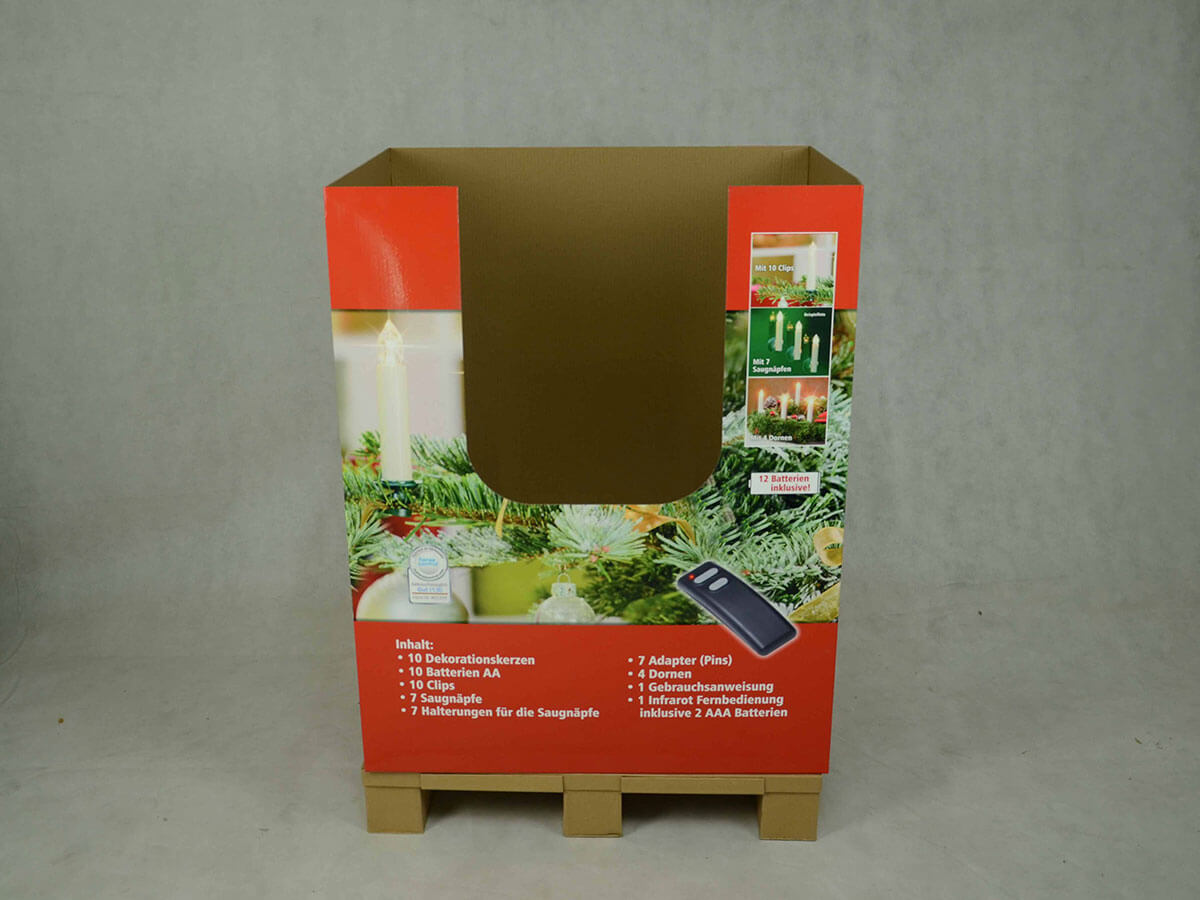
Sidekick displays attach to shelving units, maximizing unused space, while pallet displays work well for temporary promotions or new product launches. Interactive displays are ideal for high-tech gadgets, giving customers a hands-on experience.6 At stores like Sam’s Club, these can highlight seasonal merchandising and drive trial.
Understanding the store layout is key. Electronics retailers often have defined sections for gaming, mobile accessories, and audio equipment. Tailor your display type based on these zones and the kind of shopper you are targeting.
Where Should Consumer Electronics POP Displays Be Placed?
Even the best-designed display won’t perform if it’s in the wrong spot. Strategic placement is crucial for driving sales.
Consumer electronics POP displays should be placed in checkout zones, main traffic aisles, electronics sections, store entrances, and cross-merchandising locations to maximize visibility and sales.7
Every store has a natural shopper flow. High-traffic areas like main aisles and store entrances are prime real estate for displays. Placing a display there ensures maximum visibility. Checkout zones and impulse purchase hotspots like gaming and mobile accessory areas are also valuable because they target last-minute buying decisions.
Cross-merchandising is another smart strategy.8 For example, placing a display with mobile phone cases near the smartphones section can encourage shoppers to add accessories to their purchase. Visibility distance also matters—make sure your display can be seen clearly from afar to draw attention.
What Makes a Successful Consumer Electronics POP Display?
Beyond design and placement, a successful POP display must be functional and durable to meet the demands of a busy retail environment.
A successful consumer electronics POP display has structural stability, product security, easy assembly, organized merchandising, and shopper accessibility. Its construction should also be durable and retail compliant.

Structural stability is non-negotiable, especially for heavy electronics like speakers or monitors.9 Product security is just as important, ensuring that high-value items are safe yet accessible for shoppers to examine. Interactive displays should include cable management to keep everything organized and safe.
Ease of assembly is critical, particularly for temporary displays.10 Retailers like Walmart and Target value displays that can be set up quickly and with minimal tools. Organized merchandising helps shoppers find what they need fast, while durable construction ensures that the display can handle wear and tear.
Lastly, retail compliance is essential. Each retailer has its own guidelines for display dimensions, materials, and branding. Following these ensures that your display gets approved and performs well on the floor.
Conclusion
The key to boosting consumer electronics sales lies in designing and placing the right POP displays. By understanding buying behaviors, choosing the right types of displays, and ensuring strategic placement, you can create an in-store experience that drives revenue and builds your brand.
"POINT-OF-PURCHASE INSIGHTS: THE IMPACT OF RETAIL POP ...", https://www.bcipkg.com/point-of-purchase-insights-the-impact-of-retail-pop-displays-on-consumer-behavior/. This source explains how POP displays enhance visibility and emotional engagement, which can influence consumer decisions, but does not specifically address hesitation reduction. Evidence role: mechanism; source type: research. Supports: POP displays influence consumer electronics buying decisions by enhancing visibility, creating emotional connections, and reducing purchase hesitation.. Scope note: The source may not directly address all aspects of hesitation reduction. ↩
"Accessibility of Advanced Communications Services and Equipment", https://www.fcc.gov/consumers/guides/accessibility-advanced-communications-services-and-equipment. This source discusses how POP displays can create visual hierarchy and influence consumer perceptions, but may not cover all listed mechanisms comprehensively. Evidence role: mechanism; source type: research. Supports: POP displays influence buying decisions by making products accessible, creating a visual hierarchy, sparking curiosity, and fostering a premium perception.. Scope note: The source may not address all mechanisms like curiosity or premium perception in detail. ↩
"A Two-Country Comparison Of Online Shopping Behavior", https://openspaces.unk.edu/mpjbt/vol6/iss1/6/. This source explains how POP displays can simplify comparison shopping by organizing products, but may not focus exclusively on electronics. Evidence role: mechanism; source type: research. Supports: Comparison shopping is another factor to consider.. Scope note: The source may not specifically address comparison shopping in the context of consumer electronics. ↩
"What is a POP Display? Point-of-Purchase Retail Explained", https://www.displays2go.com/Article/What-POP-Display-Point-Purchase-Retail-Explained-260. This source categorizes types of POP displays and their applications, but may not focus exclusively on consumer electronics. Evidence role: definition; source type: encyclopedia. Supports: The best POP displays for consumer electronics include floor displays, counter displays, endcap displays, sidekick displays, pallet displays, and interactive retail displays.. Scope note: The source may not provide examples specific to consumer electronics. ↩
"Floor Display Fixtures", https://www.barrdisplay.com/floor-display-fixtures.html?srsltid=AfmBOorDBlWdSipVGZN0hTNjG9kezkxlDljufVQADXv4JNM_d35ODrrI. This source discusses the versatility of floor displays in retail settings, particularly in big-box stores, but may not focus on electronics. Evidence role: general_support; source type: research. Supports: Floor displays are versatile and can hold multiple products, making them great for big-box retailers like Walmart and Costco.. Scope note: The source may not specifically address their use in electronics retail. ↩
"The 6 Benefits of Interactive Retail Displays for Brands", https://meyers.com/meyers-blog/benefits-of-interactive-retail-displays/. This source highlights the role of interactive displays in providing hands-on experiences, which can enhance customer engagement, but may not focus exclusively on high-tech gadgets. Evidence role: mechanism; source type: research. Supports: Interactive displays are ideal for high-tech gadgets, giving customers a hands-on experience.. Scope note: The source may not exclusively address high-tech gadgets. ↩
"Best Practices: How to Position POP Displays for Optimal Visibility ...", https://www.felbrodisplays.com/best-practices-how-to-position-pop-displays-for-optimal-visibility-and-roi/. This source outlines optimal placement strategies for POP displays to maximize visibility and sales, but may not focus exclusively on consumer electronics. Evidence role: mechanism; source type: research. Supports: Consumer electronics POP displays should be placed in checkout zones, main traffic aisles, electronics sections, store entrances, and cross-merchandising locations to maximize visibility and sales.. Scope note: The source may not specifically address all suggested locations for electronics. ↩
"Cross merchandising - Wikipedia", https://en.wikipedia.org/wiki/Cross_merchandising. This source explains how cross-merchandising can increase sales by encouraging complementary purchases, but may not focus on consumer electronics. Evidence role: mechanism; source type: research. Supports: Cross-merchandising is another smart strategy.. Scope note: The source may not specifically address cross-merchandising in electronics retail. ↩
"CREATIVE STRUCTURAL DESIGN CAN NEVER BE IGNORED", https://www.bcipkg.com/creative-structural-design-can-never-be-ignored/. This source discusses the importance of structural stability in POP displays for heavy products, but may not focus exclusively on electronics. Evidence role: mechanism; source type: research. Supports: Structural stability is non-negotiable, especially for heavy electronics like speakers or monitors.. Scope note: The source may not specifically address heavy electronics like speakers or monitors. ↩
"Four critical components to creating successful POP displays", https://www.bondedlogistics.com/four-critical-components-creating-successful-pop-displays/. This source highlights the importance of ease of assembly for temporary POP displays, but may not focus on electronics. Evidence role: mechanism; source type: research. Supports: Ease of assembly is critical, particularly for temporary displays.. Scope note: The source may not specifically address temporary displays for electronics. ↩
