

Launching a new drug? You're fighting for every inch of shelf space. Without visibility, your product fails. A custom display is your secret weapon for a successful launch.
Absolutely. A custom pharmaceutical display is crucial for a successful launch. It cuts through the clutter, grabs shopper attention, educates them on your new product's benefits, and drives trial purchases, directly impacting your launch's success and long-term viability in a crowded market.
I’ve been in this business for a long time. I've seen brilliant products with huge budgets fizzle out on day one. I've also seen underdog products become household names. More often than not, the difference was a simple piece of cardboard, strategically designed and placed. The right display isn't just about holding products; it's about starting a conversation with the shopper when you can't be there to do it yourself. It’s the single most important tool for a new product. Let's explore why that is.
Why Does Product Launch Visibility Matter So Much in Pharmacies?
Your new product is lost in a sea of competitors on the pharmacy shelf. Shoppers ignore it. Strategic display placement forces them to look1, securing that crucial first sale.
In a crowded pharmacy, visibility is everything. It separates your new product from established brands, grabs shopper attention, and encourages trial purchases2. Without it, even the best product can fail to gain traction, making displays essential for a successful launch campaign.
The pharmacy aisle is one of the most challenging battlegrounds in retail. Shoppers are often on a mission, focused on finding a familiar brand or a specific medication. Breaking through that focus is incredibly difficult. I remember working with a client on a new allergy medication. On the shelf, it was just another box. Sales were stagnant. We then placed the same product in a simple floor display near the pharmacy counter. Suddenly, it was visible. Sales tripled in the first week3, not because the product changed, but because people finally saw it.
The Challenge of Gaining Traction
Your new product is an unknown quantity. Shoppers are inherently skeptical. They rely on brand recognition, doctor recommendations, or past experiences. A new product has none of that. It’s invisible from a trust standpoint. A dedicated display physically separates your product from the noise, creating an island of opportunity. It signals to the shopper that this product is new, important, and worth a closer look. It breaks their routine and forces a moment of consideration they would never give your product if it were just sitting on the shelf.
From Visibility to Trial Purchase
Visibility is the first step, but the ultimate goal is a trial purchase. A well-placed display does more than just get seen; it facilitates the decision to buy.
| Factor | Standard Shelf Placement | Dedicated Display Placement |
|---|---|---|
| Attention | Low. Blends in with competitors. | High. Interrupts shopper's path. |
| Education | Minimal. Relies on small package print. | Good. Can use graphics and text. |
| Trust | Low. Appears as just another option. | Medium. Appears endorsed by the store. |
| Sales Velocity | Slow and uncertain. | High initial lift, encourages trial. |
What Are the Most Effective Pharmaceutical Displays for a New Product Launch?
You need a display, but which kind? Choosing the wrong format wastes your budget and kills your launch. Let's match the right display to your specific retail environment.
The most effective displays are floor, counter, and endcap displays. Floor displays offer high visibility for big campaigns4. Counter displays are perfect for impulse buys at checkout. Endcap displays capture high traffic at the end of aisles5, maximizing exposure for your new product.
Choosing the right display format is like choosing the right tool for a job. You wouldn't use a hammer to turn a screw. Similarly, the display that works wonders in a massive Costco will be completely useless in a small, independent pharmacy. I've seen brands try to force a large floor display into a tiny store, only to have it relegated to the back room. The key is to think about the environment first, then choose the display that fits naturally and creates the most impact within that space.
High-Impact Floor Displays
Floor displays are the workhorses of product launches. They are big, bold, and impossible to ignore. When you have a significant launch campaign and have secured the space from the retailer, a floor display is your best bet for making a huge splash. They can hold a lot of product, which is great for high-velocity sales, and they offer a large canvas for graphics and educational messaging. This is what you use when you want to announce your arrival and dominate the aisle.
Strategic Counter and Endcap Units
Not every launch or every store calls for a massive floor display. Counter displays are brilliant for smaller, high-value items6 or products that encourage an impulse buy, like lip balm or travel-sized pain relievers. Placing them right at the pharmacy checkout or main checkout counter is a classic, effective strategy. Endcap displays are prime real estate. They sit at the end of an aisle, catching traffic from two directions. They offer great visibility without needing the huge footprint of a full floor display.
| Display Type | Best For | Key Advantage | Ideal Location |
|---|---|---|---|
| Floor Display | Major product launches | Maximum visibility & stock | Main aisles, front of store |
| Counter Display | Small items, impulse buys | Captures sales at checkout | Pharmacy counter, front registers |
| Endcap Display | High-priority promotions | High traffic exposure | End of a high-traffic aisle |
| Shelf-Ready Display | Improving shelf presence | Easy stocking for staff | Directly on the retail shelf |
How Do Pharmaceutical Displays Actually Influence Consumer Decisions?
You can't personally sell to every shopper in the pharmacy aisle. They might ignore your new product. A great display acts as your silent salesperson, building trust instantly.
Displays influence shoppers by building trust at the point of sale7. They serve as a platform to quickly educate consumers on benefits, encourage impulse buys for OTC items, and reinforce your brand's credibility, turning a hesitant shopper into a confident buyer.
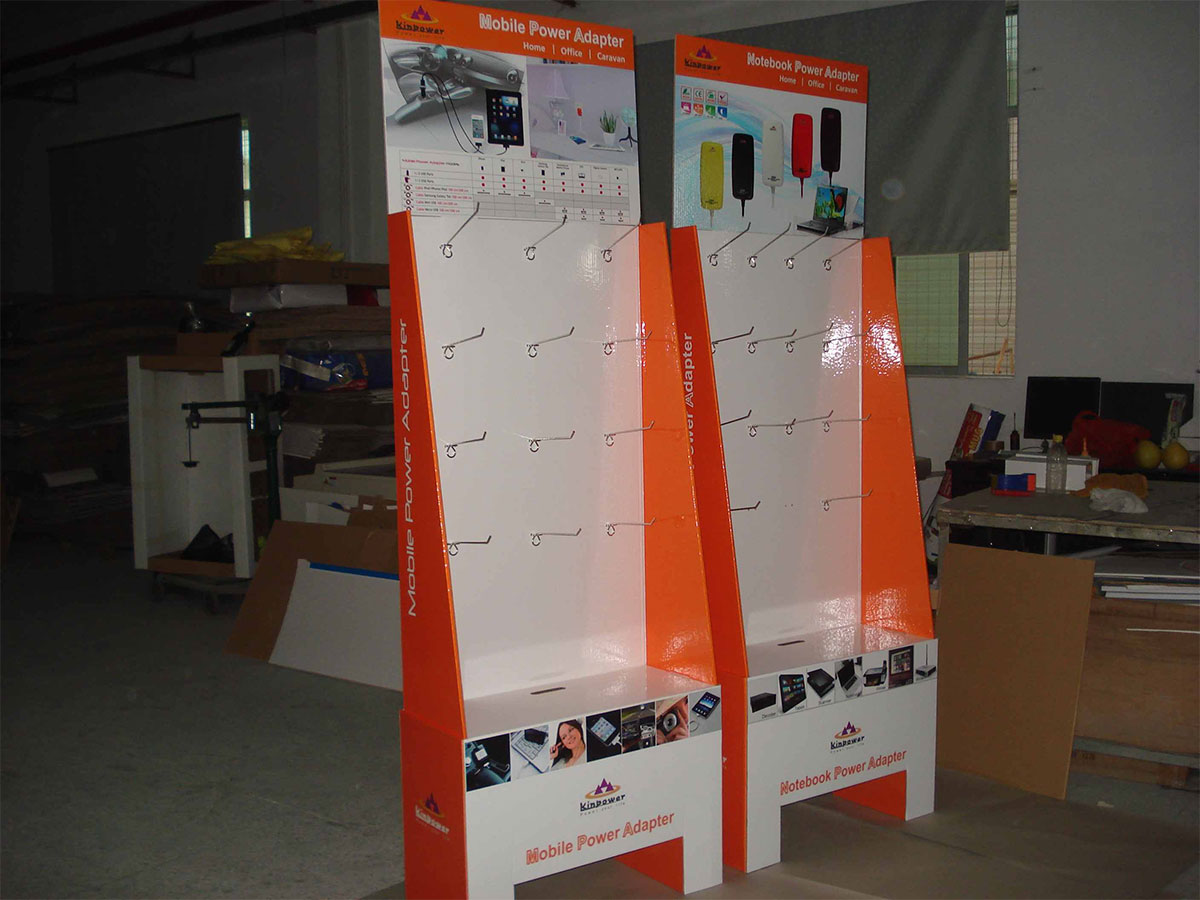
A display is so much more than a product holder. It’s a psychological tool. Think about the last time you were in a pharmacy. You were likely surrounded by sterile white shelves and thousands of choices. A colorful, well-designed display breaks that monotony. It draws your eye. It communicates a message before you even read a single word on the box. In my experience, the moment a shopper stops and engages with a display, you've already won half the battle. The display has successfully interrupted their autopilot mode and opened them up to a new possibility.
The Display as an Educator
For a new pharmaceutical product, education is critical. Shoppers have questions: What does this do? How is it different from what I already use? Is it safe? A display provides a canvas to answer these questions instantly8. Through clear headlines, simple bullet points, and effective imagery, you can communicate your product's unique value proposition in seconds. You can highlight "New Formula," "Fast-Acting," or "Doctor Recommended" in a way that the product packaging alone cannot. It pre-digests the information for a busy, distracted shopper.
The Display as a Trust Signal
A professional, sturdy, and well-stocked display sends a subconscious signal of quality and trustworthiness9. It suggests that the brand is established and that the retailer endorses the product. An empty, flimsy, or damaged display does the opposite; it screams "unpopular" and "cheap." For pharmaceutical products, where trust is paramount, the quality of the display directly reflects on the perceived quality of the product inside. It's an investment in credibility right at the point of sale.
| Shopper Stage | Display's Role |
|---|---|
| Awareness | Interrupts the shopper's journey and grabs attention with color, shape, and placement. |
| Consideration | Educates with clear, concise messaging about benefits and key differentiators. |
| Decision | Builds trust through professional design and encourages purchase with easy access to the product. |
What Are the Key Elements of a Successful Pharmaceutical Display?
A bad display is just expensive garbage that confuses shoppers. You could even face regulatory issues. Focusing on key elements ensures your investment pays off and drives sales.
A successful display must have clear messaging, compliant graphics, and strategic design. It also needs to be durable, easy for store staff to restock, and allow shoppers to easily access the product. These elements combine to create a powerful sales tool.
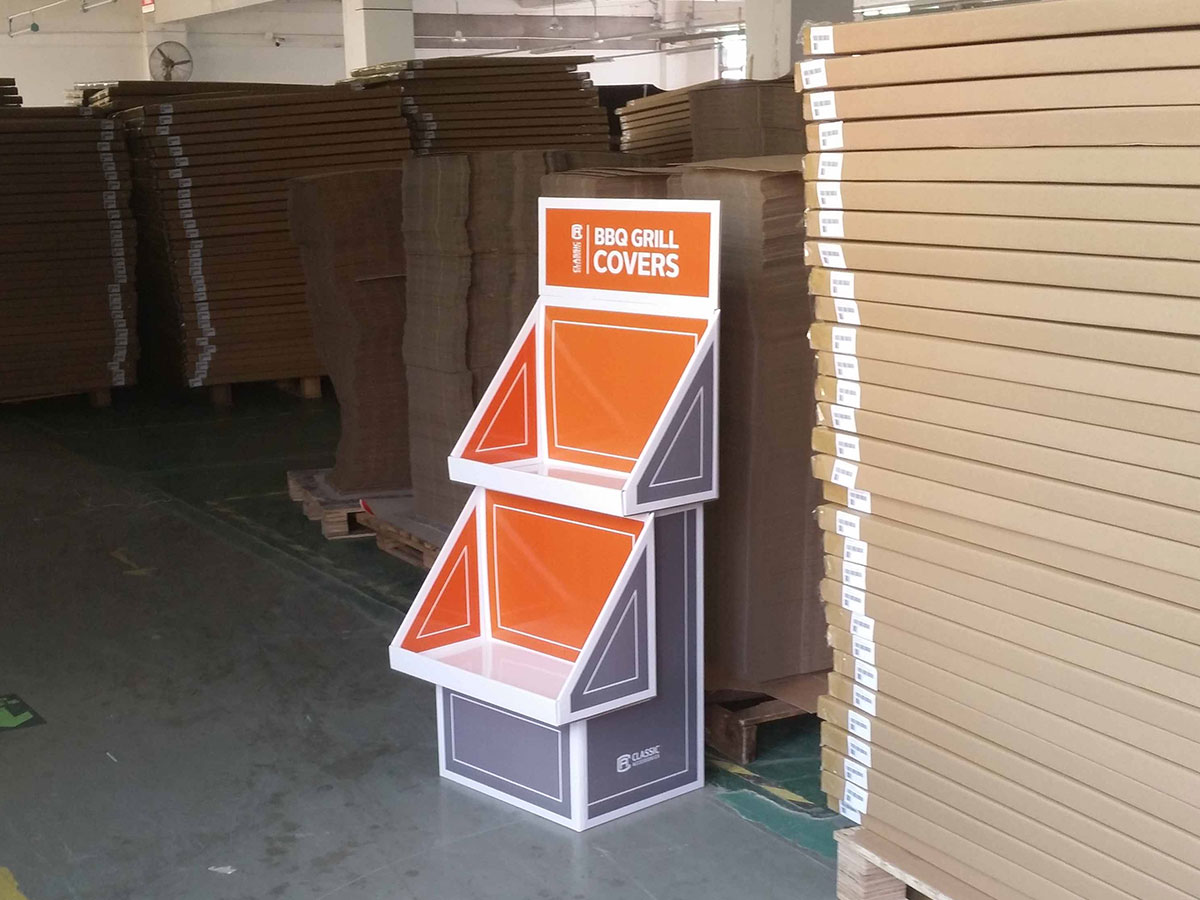
I’ve seen too many brands focus 99% of their effort on the product and 1% on the display. They end up with a fantastic product in a terrible display that nobody buys. A successful display isn't about being the flashiest or the most complex. It’s about executing the fundamentals perfectly. It needs to be a seamless bridge between your brand, the retailer, and the final customer. When we design a display, we're not just thinking about how it looks; we're thinking about its entire lifecycle, from shipping to setup to the moment a shopper pulls the last box off it.
Message, Medium, and Compliance
The three most important things on a display are the words, the pictures, and the rules. Your message must be crystal clear10. A shopper should understand what your product is and what it does in three seconds or less. Use a strong headline and simple language. The graphics should support this message and align with your brand identity. Crucially, for pharmaceuticals, all messaging and claims must be compliant with regulations. The last thing you want is a display pulled for making an unapproved claim.
Structural Integrity and Usability
A display that falls apart is worse than no display at all. It must be durable enough to withstand the retail environment and hold the weight of your product. But it also has to be easy for store staff to assemble and restock. If it takes 30 minutes and a complex manual to set up your display, I guarantee it will end up in the trash. The product also needs to be easy for shoppers to take. If they have to struggle to pull a box out, they'll just give up and walk away.
| Element | Why It's Critical |
|---|---|
| Clear Messaging | Shoppers make decisions in seconds. Confusion means a lost sale. |
| Regulatory Compliance | Avoids legal issues and ensures the display stays on the floor. |
| Strategic Graphics | Attracts the eye, reinforces branding, and aids in communication. |
| Product Accessibility | Makes it easy for the shopper to complete the purchase. |
| Durability/Easy Restocking | Ensures the display stays functional and store staff are willing to maintain it. |
What Are the Most Common Product Launch Mistakes with Pharmaceutical Displays?
Your product launch is planned perfectly. But simple display mistakes can derail everything. Knowing these common pitfalls is the first step to avoiding a costly launch failure.
Common mistakes include relying only on shelf placement11, using overcomplicated messaging, poor display positioning in-store, and inconsistent branding. Ignoring how pharmacy shoppers actually behave and what store staff need is another major, and costly, error that can doom a launch.
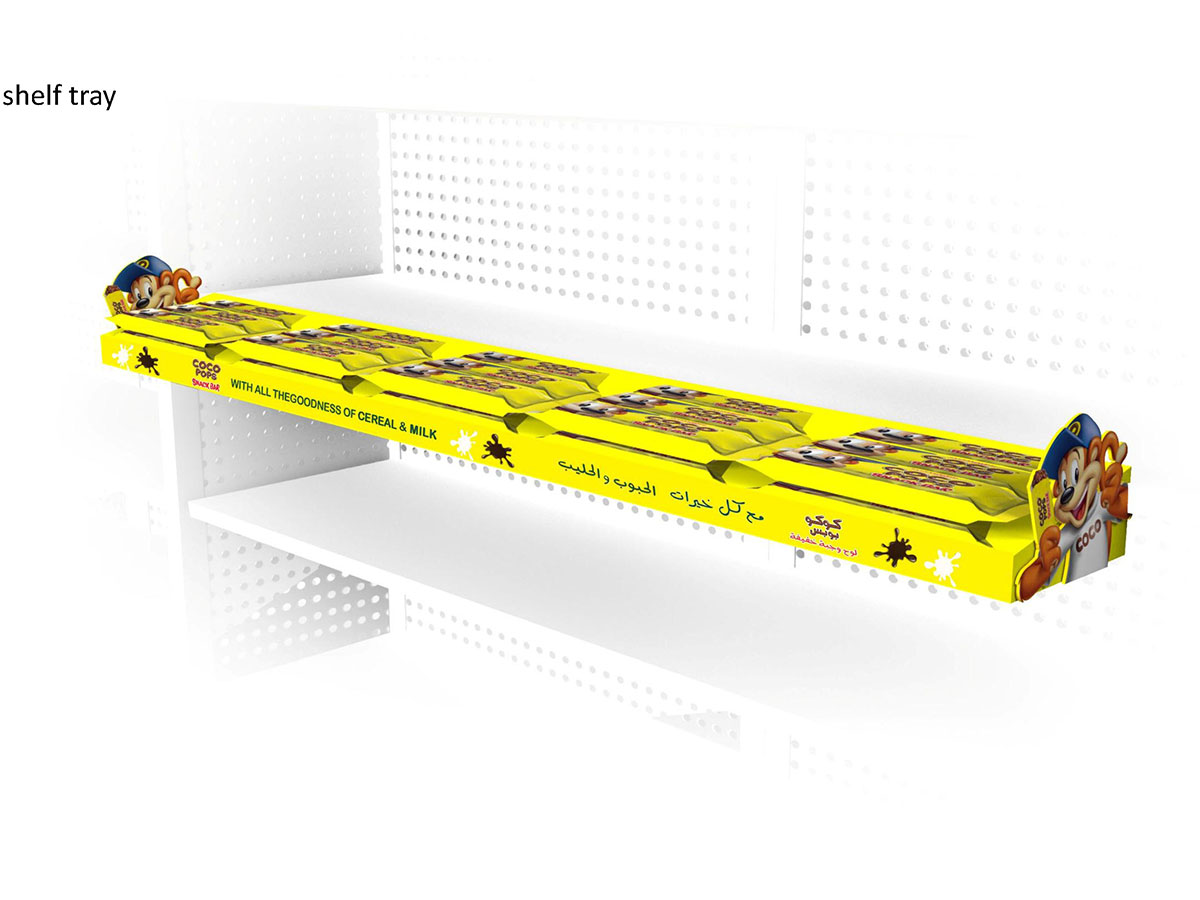
I could write a book on the mistakes I've seen. Brands spend millions developing a product and then send it to stores with a display that looks like an afterthought. It's heartbreaking because these mistakes are so avoidable. The most common error is a fundamental lack of empathy. Brands forget to think like a rushed shopper, a busy store manager, or a stock clerk. They design in a vacuum, and the result is a display that, while maybe beautiful in a boardroom, completely fails in the real world.
The "Set It and Forget It" Fallacy
The biggest mistake is assuming that just getting a display into the store is enough. Brands rely solely on their sales data and don't visit the stores to see what's actually happening. They don't see that their display was placed behind a pillar, that the message is confusing shoppers, or that it's impossible to restock and has been sitting empty for weeks. A launch is not a single event; it's a process that needs monitoring. Your display is your representative in the store, and you need to make sure it's doing its job correctly.
Forgetting the Human Element
Many displays are designed with zero thought for the people who have to interact with them. A display with overly complicated messaging overwhelms the shopper. A display that's a nightmare to assemble will be hated by store staff, who will be less likely to place it in a prime location. Inconsistent branding across the display, packaging, and other marketing materials confuses everyone and dilutes your brand's impact. You have to design for the entire ecosystem, not just for your product.
| Mistake | Why It's a Problem | The Simple Fix |
|---|---|---|
| Overcomplicated Message | Confuses shoppers and gets ignored. | Focus on one key benefit. Use a clear, bold headline. |
| Poor Display Positioning | No visibility, no sales. | Work with the retailer to secure a high-traffic location. |
| Ignoring Store Staff | Display is never built or restocked. | Design for easy assembly and restocking. Provide clear instructions. |
| Inconsistent Branding | Dilutes brand recognition and trust. | Use the same logos, colors, and fonts across all materials. |
How Should You Design Displays for Different Pharmaceutical Retail Channels?
You want your display in every store, from Costco to the local pharmacy. But a one-size-fits-all design won't work. You must tailor your display to each channel.
You must adapt your display's size, structure, and messaging for each channel. A large, durable floor display works for a club store like Costco, while a compact counter display is better for a small independent pharmacy. Each retailer has unique requirements and shopper profiles.

This is one of the most important conversations I have with my clients. A brand manager will come to me and say, "We're launching in Walmart and 500 independent pharmacies. We need one display." I have to be the one to tell them that's a recipe for failure. Walmart has specific requirements for pallet displays that an independent pharmacy could never accommodate. The independent pharmacy, on the other hand, might love a small, attractive counter display that would be completely invisible inside a giant Walmart. Thinking channel-specific from day one saves an enormous amount of time, money, and frustration.
Big-Box vs. Small Footprint
The most obvious difference between retail channels is scale. A club store like Costco or Sam's Club needs large, durable, often pallet-based displays that can hold a lot of product and withstand forklift traffic. They sell in bulk, so the display needs to support that. In contrast, a small neighborhood pharmacy or a convenience store has limited floor space. Here, the winning designs are compact, efficient, and often placed on a counter or a shelf. Trying to force a big-box design into a small-footprint store is a non-starter.
Understanding Retailer Requirements
Beyond just size, each major retailer has its own set of guidelines, or "style guides," for in-store displays. These guides dictate everything from material specifications and safety standards to graphic design do's and don'ts. As a display provider, we maintain an extensive library of these requirements for all major retailers. Designing without being aware of these rules is a huge gamble. Your display could be rejected at the distribution center, costing you the entire promotion.
| Retail Channel | Key Consideration | Recommended Display Type |
|---|---|---|
| Chain Pharmacy (CVS, Walgreens) | Aisle space is tight, high traffic. | Endcaps, small floor displays, shelf trays. |
| Club Store (Costco, Sam's) | Pallet-based logistics, bulk product. | Full pallet displays, half pallet displays. |
| Independent Pharmacy | Limited space, relationship-based. | Counter displays, small, premium floor displays. |
| Mass Retailer (Walmart, Target) | Strict guidelines, high volume. | Varies greatly: Pallet, Endcap, Floor. Must check guide. |
What's the Process for Developing a Custom Pharmaceutical Display?
Getting a custom display seems complicated. You worry about design flaws and missed deadlines. But the process is a simple, step-by-step journey from an idea to the store floor.
The process starts with defining your launch objectives. Then, we move to structural design, artwork development, and creating a physical prototype for testing. Once approved, we handle full-scale production and can even manage logistics to get your displays to retailers on time.

This is what we do all day, every day. We've taken this process, which can seem daunting from the outside, and turned it into a smooth, predictable system. My role, and the role of my team, is to guide you through each step. We ask the right questions, anticipate the problems, and manage the details so you can stay focused on your overall product launch strategy. We see ourselves as an extension of your marketing team, with a very specialized set of skills. The goal is to make the process of getting the perfect display as easy as possible for you.
From Blueprint to Reality
It all starts with a conversation. What are you trying to achieve? Who is your customer? Which retailers are you targeting? Once we understand your goals, our structural designers get to work. Using specialized software, they create a 3D digital model of the display. This isn't just about aesthetics; it's about engineering a structure that is strong, cost-effective to produce, and easy to assemble. Once the structure is approved, your graphic design team can apply the artwork directly onto our digital template, ensuring a perfect fit.
Testing and Production
This is the most critical phase. We don't guess; we test. We create a full-size, fully printed physical prototype. We ship it to you so you can see it, touch it, and even test it with the actual product. This is the time to make any final adjustments. Once you give the final approval on the prototype, we move to full-scale production. Our facility handles everything from printing and cutting to packing the displays for shipment, ensuring quality and consistency from the first unit to the last.
| Step | What We Do | What You Get |
|---|---|---|
| 1. Discovery & Objectives | We listen to your goals, budget, and retail strategy. | A clear project brief and a defined path forward. |
| 2. Structural Design | Our engineers create a 3D model optimized for strength and cost. | A digital blueprint and die-lines for your artwork. |
| 3. Artwork & Prototyping | We apply your graphics and create a physical, full-size sample. | A real display to test, approve, and show stakeholders. |
| 4. Production & Logistics | We manufacture, pack, and can ship the final displays to your retailers. | High-quality displays, delivered on time for your launch. |
Conclusion
A strategic pharmaceutical display is not an expense, but a vital investment. It ensures your product launch gets the visibility, trust, and sales needed to succeed in a competitive market.
"How Location Impacts Purchasing Decisions - Creative Displays Now", https://www.creativedisplaysnow.com/guide-to-strategic-display-placement/. This source supports the claim that strategic placement of displays can increase product visibility and sales in retail environments. Evidence role: mechanism; source type: research. Supports: Strategic placement of displays in pharmacies increases visibility and sales.. ↩
"Online Product Displays Can Shape Your Buying Behavior", https://today.ucsd.edu/story/products-displays-on-webpages-can-affect-what-you-add-to-your-cart. This source supports the idea that dedicated displays can encourage trial purchases by increasing product visibility and shopper engagement. Evidence role: mechanism; source type: research. Supports: Dedicated displays encourage trial purchases by increasing visibility and engagement.. Scope note: The effectiveness may depend on the product category and shopper demographics. ↩
"5 Pharmacy Display Ideas to Boost Sales - shopPOPdisplays", https://www.shoppopdisplays.com/blog/2024/01/24/3800/?srsltid=AfmBOop69OBZ1KZr8UmStWMXogOqGGciMvHk_oNeC2rcWHo98f3_i8D5. This source provides evidence for the impact of display placement on sales, though the specific context of pharmacy counters may vary. Evidence role: statistic; source type: research. Supports: Placing a product in a floor display near the pharmacy counter can significantly increase sales.. Scope note: The data may not generalize to all pharmacy products or retail environments. ↩
"The Effects of Floor Displays - PFI InStore", https://www.pfiinstore.com/the-effects-of-floor-displays. This source supports the claim that floor displays are effective for high-visibility campaigns, particularly in retail environments. Evidence role: general_support; source type: research. Supports: Floor displays are effective for high-visibility campaigns in retail settings.. Scope note: The effectiveness may vary depending on store layout and shopper traffic patterns. ↩
"What to Do If Your Retail Store is Not in a High Traffic Area", https://www.pcc.edu/small-business/2017/07/what-to-do-if-your-retail-store-is-not-in-a-high-traffic-area/. This source supports the claim that endcap displays are effective for capturing shopper attention in high-traffic areas. Evidence role: mechanism; source type: research. Supports: Endcap displays are effective for capturing shopper attention in high-traffic areas.. Scope note: The effectiveness may vary depending on aisle layout and shopper flow. ↩
"How Effective Are Retail Counter Displays for Impulse Buys?", https://mcintyredisplays.com/blog/effectiveness-of-retail-counter-displays/. This source supports the claim that counter displays are effective for promoting smaller, high-value items in retail settings. Evidence role: mechanism; source type: research. Supports: Counter displays are effective for promoting smaller, high-value items in retail settings.. Scope note: The effectiveness may depend on the specific product and checkout counter design. ↩
"Risk, Trust, and Emotion in Online Pharmacy Medication Purchases", https://pmc.ncbi.nlm.nih.gov/articles/PMC10775049/. This source supports the claim that displays can build trust and influence shopper decisions at the point of sale. Evidence role: mechanism; source type: research. Supports: Displays can build trust and influence shopper decisions at the point of sale.. Scope note: The degree of trust-building may depend on display design and product type. ↩
"Online Product Displays Can Shape Your Buying Behavior", https://today.ucsd.edu/story/products-displays-on-webpages-can-affect-what-you-add-to-your-cart. This source supports the claim that displays can educate shoppers by providing clear and concise product information. Evidence role: mechanism; source type: research. Supports: Displays can educate shoppers by providing clear and concise product information.. Scope note: The effectiveness may depend on the complexity of the product information and shopper engagement. ↩
"Survey: The Ever-Growing Power of Reviews (2023 Edition)", https://www.powerreviews.com/power-of-reviews-2023/. This source supports the claim that the quality of a display can influence shopper perceptions of product trustworthiness. Evidence role: mechanism; source type: research. Supports: The quality of a display can influence shopper perceptions of product trustworthiness.. Scope note: The perception of trustworthiness may vary depending on shopper demographics and product category. ↩
"Online Product Displays Can Shape Your Buying Behavior", https://today.ucsd.edu/story/products-displays-on-webpages-can-affect-what-you-add-to-your-cart. This source supports the claim that clear messaging on displays is critical for shopper engagement and decision-making. Evidence role: mechanism; source type: research. Supports: Clear messaging on displays is critical for shopper engagement and decision-making.. Scope note: The effectiveness of clear messaging may depend on the shopper's familiarity with the product category. ↩
"[PDF] On Shelf Availability: A Literature Review & Conceptual Framework", https://scholarworks.uark.edu/cgi/viewcontent.cgi?article=1009&context=mktguht. This source supports the claim that relying solely on shelf placement can limit product visibility and sales in retail environments. Evidence role: mechanism; source type: research. Supports: Relying solely on shelf placement can limit product visibility and sales in retail environments.. Scope note: The impact of shelf placement may vary depending on store layout and shopper behavior. ↩
