
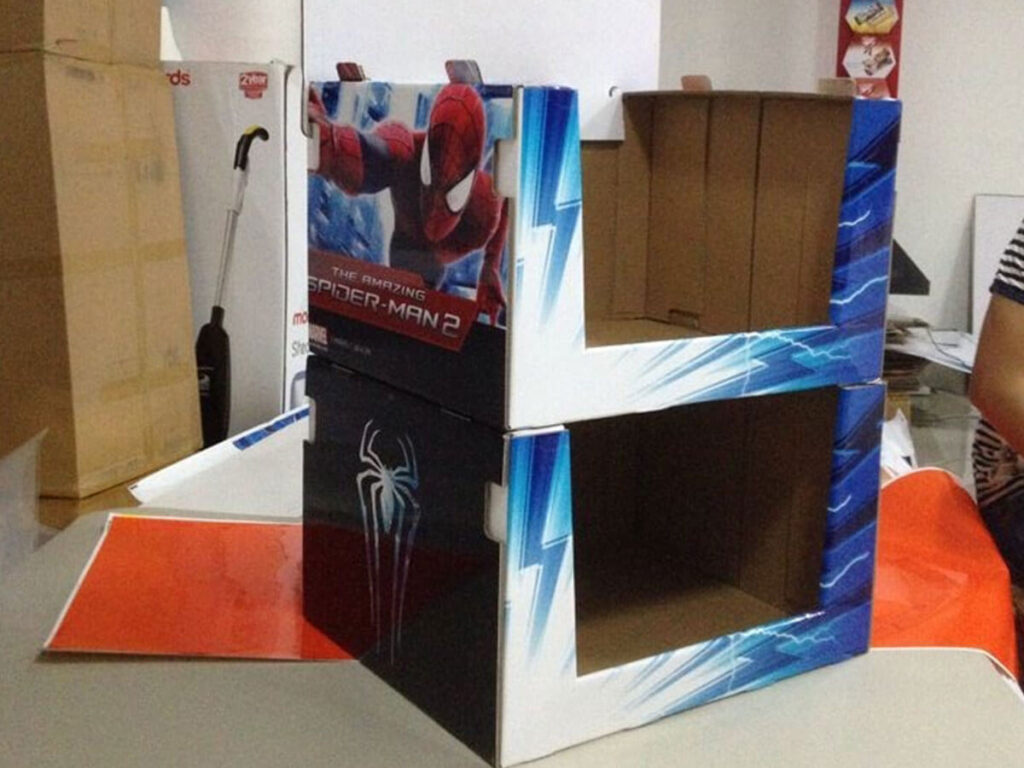

Struggling to turn browsers into buyers? You're not alone. Many brands find that in the busy retail environment, their products get lost on the shelf, and shoppers walk away undecided.
The solution is a powerful Point of Sale (POS) display. Research shows that about 70% of purchase decisions are made in-store1, making a compelling display your best silent salesperson. [23] By grabbing attention and simplifying choices, POS displays effectively convert hesitant shoppers into confident buyers.
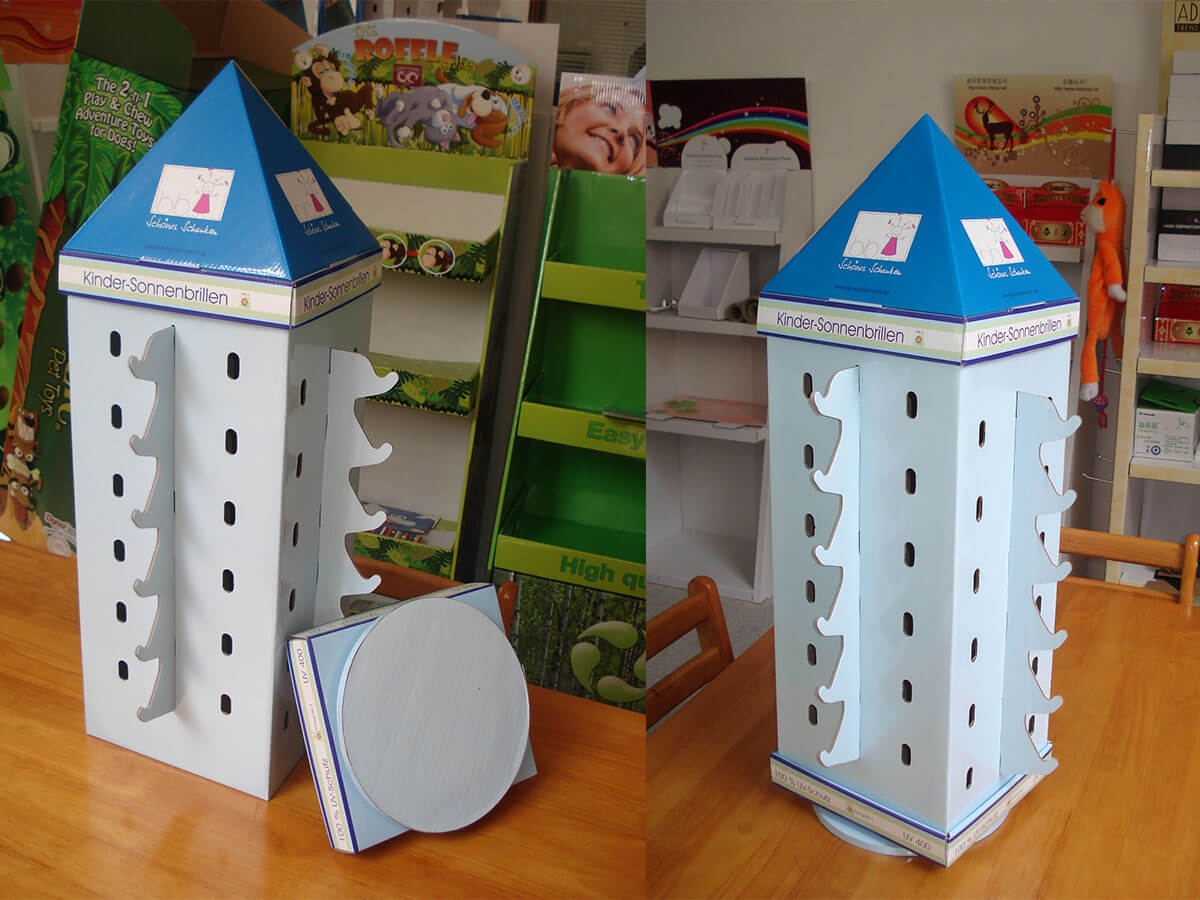
The journey from browsing to buying is full of distractions and second-guessing. A well-designed POS display can make all the difference, interrupting a shopper's routine and focusing their attention on your product. It acts as an instant guide, providing clarity and confidence right at the moment of decision. In my years of designing custom displays, I've seen firsthand how a strategic approach can transform sales. We're not just creating boxes; we're crafting experiences that connect with shoppers and drive them to make a purchase.
Why Shoppers Hesitate Before Buying?
Ever notice how shoppers pause, look around, and then walk away without buying? This hesitation is a major hurdle for brands in the competitive world of retail. It's a moment of indecision that often leads to lost sales.
Shoppers hesitate because they are overwhelmed. The sheer number of product choices, price points, and brands can lead to "choice overload2," causing anxiety and decision fatigue. [15, 16] This is especially true for new products, where a lack of familiarity creates uncertainty and risk for the consumer.
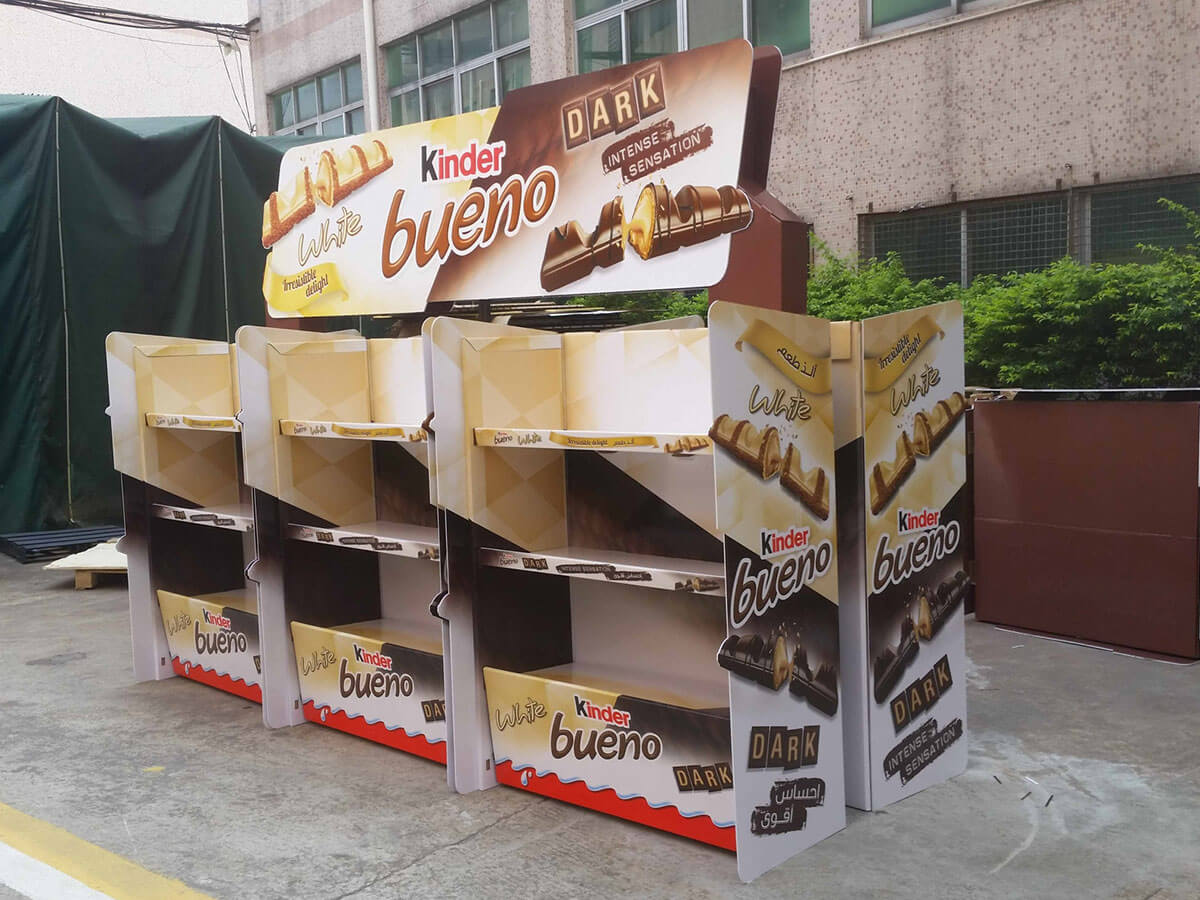
The modern retail store is a battlefield for attention. An average supermarket can carry tens of thousands of products, each vying for a moment of the shopper's time. [16] This environment creates a psychological phenomenon known as choice overload, where too many options lead to paralysis, not empowerment. [16] Studies have shown that when faced with an overwhelming number of choices, consumers are more likely to delay their decision or not make one at all.3 [17] This is a huge problem, especially for new brands trying to get noticed. A shopper has no prior experience with a new product, so any lack of clear information or benefits creates a barrier to purchase. This is where we see POS displays make a tangible impact. By isolating a product from the visual chaos of the shelf and presenting it with clear, concise messaging, a display reduces the mental effort required from the shopper. It answers their unspoken questions, calms their uncertainty, and makes the decision to buy feel easy and right.
Capturing Attention at the Critical Decision Point?
In a busy store, how do you stop a shopper in their tracks? The retail environment is packed with visual noise, from competing products to in-store signage, all fighting for a glance.
A well-designed POS display acts as a visual interruption, breaking the routine of a shopping trip. [3] Strategic placement in high-traffic areas like aisle ends or checkout counters ensures your product gets seen.4 [6] Eye-catching graphics and unique structural designs are crucial for making your product stand out.
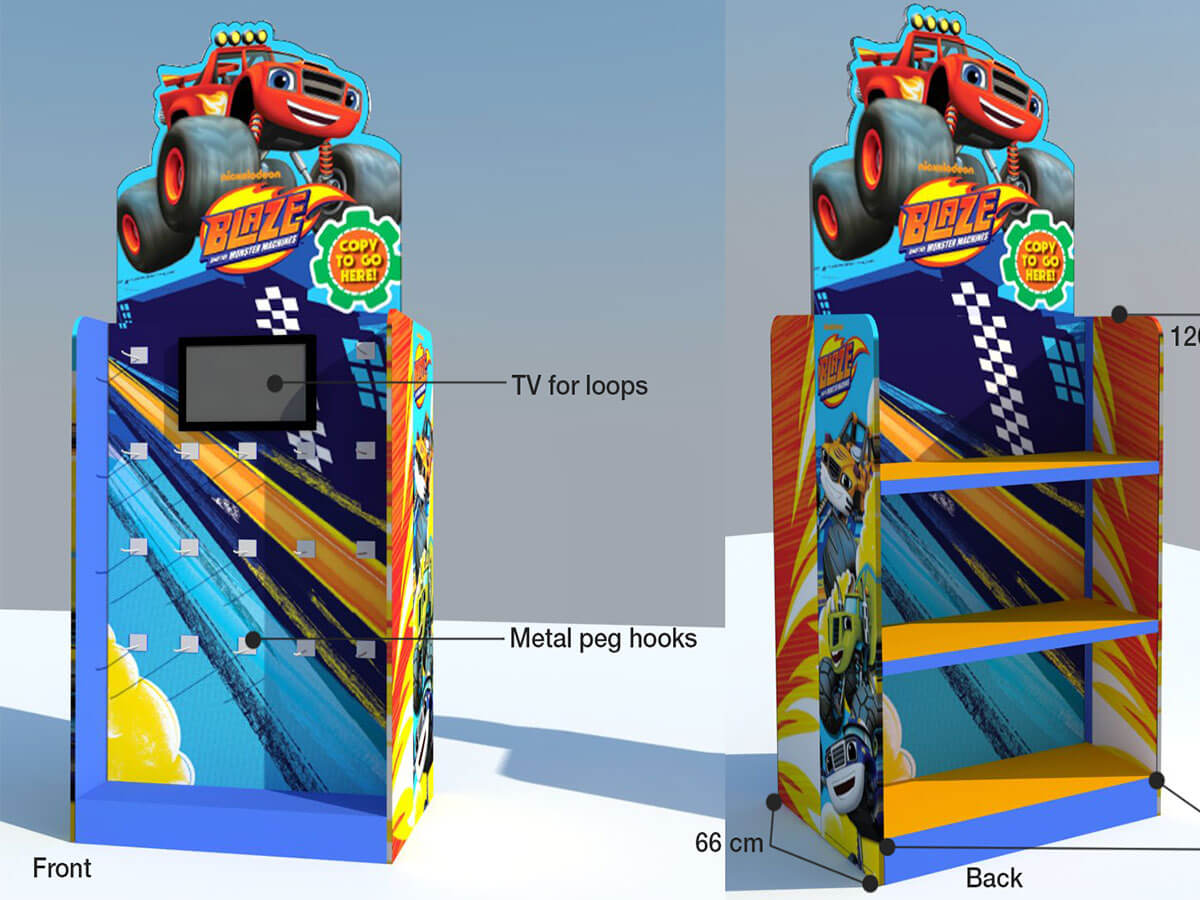
Think of a shopper's journey through a store as a well-worn path. They have their habits, their usual brands, and they are often on a mission. Our job is to create a detour. Studies show that a significant percentage of purchase decisions are made in-store, highlighting the importance of capturing attention at that final stage.5 [22, 24] A POS display must be more than just a container for products; it needs to be a destination. We achieve this by using a combination of strategic placement and compelling design. Placing a display at the end of an aisle (an endcap) or near the checkout counter capitalizes on moments when the shopper is already pausing or open to suggestion.6 [1, 6] Then, we use bold colors, innovative shapes, and clear branding to make the display impossible to ignore. [2, 7] It's about creating a "visual story" that draws the customer in from a distance and makes them curious enough to step off their planned route and explore something new. [6] Those first few seconds of engagement are everything.
How POS Displays Guide Shoppers Toward Purchase?
Once you have a shopper's attention, how do you convince them to buy? A great product is a start, but in the fast-paced retail world, you need to communicate its value instantly.
POS displays function as silent salespeople, delivering your product's key benefits at a glance.7 [5, 7] They use clear messaging, visuals, and sometimes even product demonstrations to educate shoppers and simplify the decision-making process, moving them from initial awareness to the final purchase.
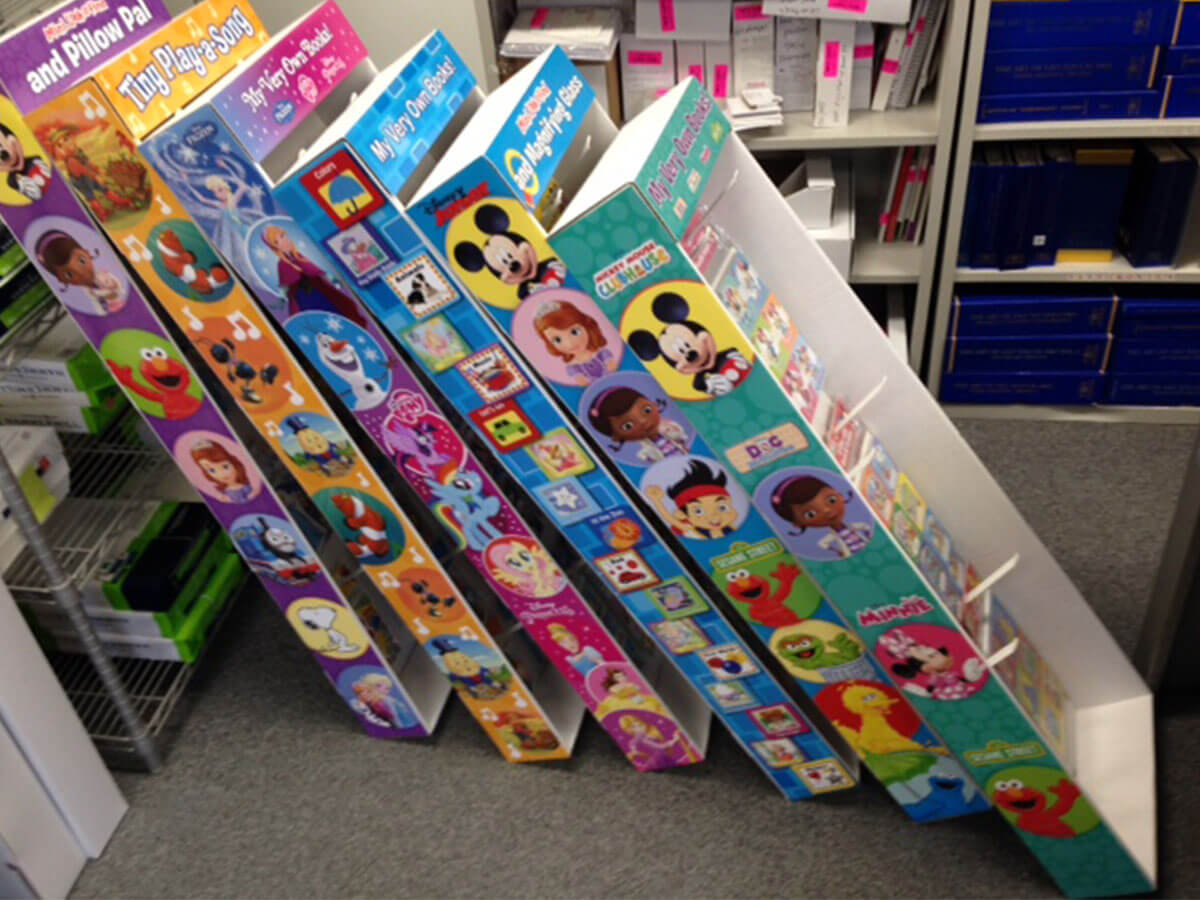
A shopper standing in front of a display is asking a series of silent questions: "What is this? Why do I need it? Is it a good value?" A successful POS display answers these questions quickly and persuasively. It's not just about holding the product; it's about framing it. We use clear, concise messaging to highlight the most important benefits. Instead of listing features, we focus on what the product does for the customer. This helps shoppers quickly understand the value proposition. Furthermore, the display can be used to highlight promotions, limited-time offers, or special value packs, creating a sense of urgency that encourages immediate action. [6] By presenting the product in an appealing and informative way, the display builds a bridge of trust. It takes a shopper from being merely aware of a product to actively considering it and, ultimately, placing it in their cart. It simplifies the complex mental calculus of a purchase decision into a simple, confident "yes." [28]
The Conversion Elements Every POS Display Needs?
What separates a display that just sits there from one that actively sells? It comes down to a few essential elements that work together to drive conversion. Ignoring these can mean a missed opportunity.
Every high-converting POS display needs strong visual impact, clear messaging, strategic placement, easy product access, and a compelling call-to-action.8 [1, 11, 19] These elements work together to attract, inform, and persuade shoppers to make a purchase.
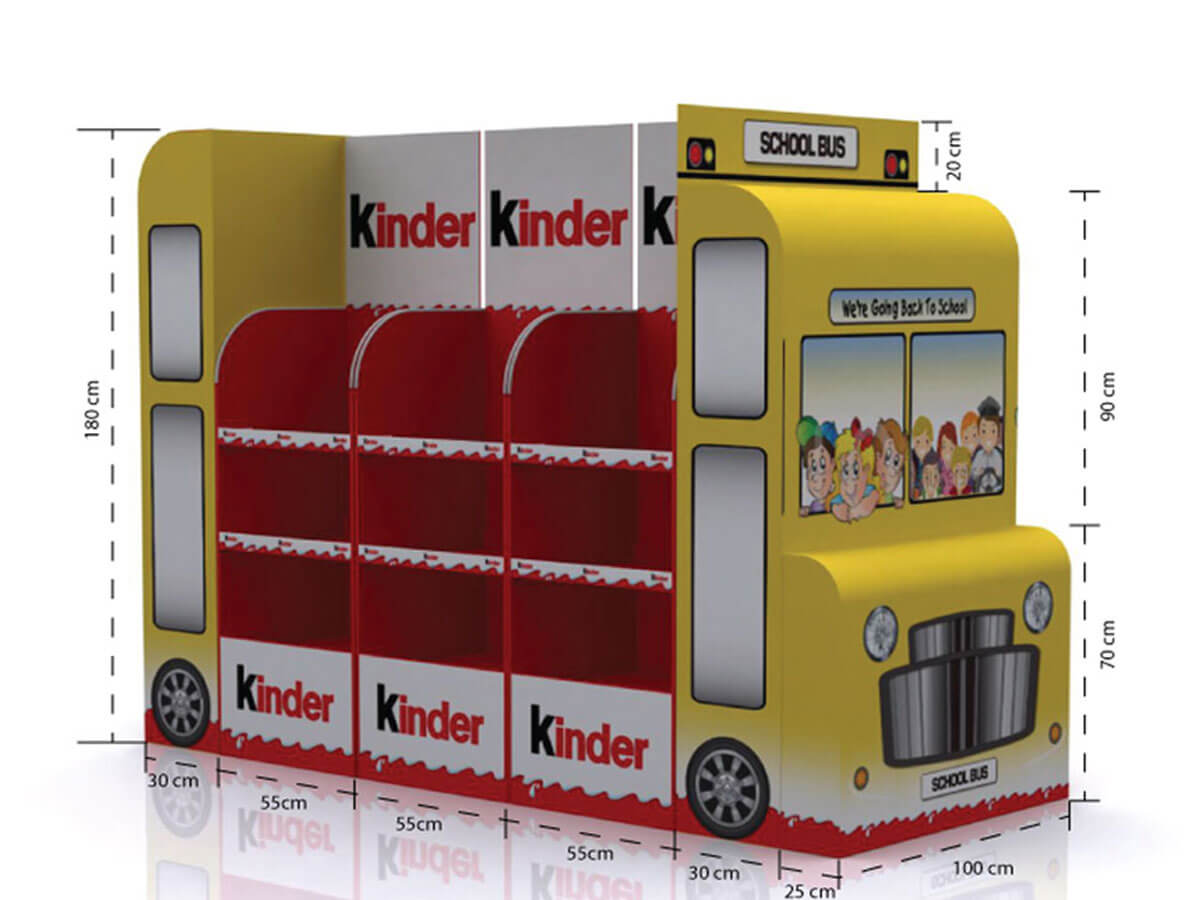
Over the years, we've refined our designs to include a handful of non-negotiable elements that are proven to boost sales. It's a formula that combines art and science. First, you need Strong Visual Impact with bold graphics and colors that grab attention from across the aisle. [2, 4] Next, the Clear Product Messaging must be simple enough to be understood in a few seconds. [2] Strategic Product Placement within the display itself is also key; products should be easy for shoppers to see and reach. [3] This leads to Easy Product Access, which is crucial because if a shopper can't easily pick up and examine an item, the sale is often lost. Finally, a Compelling Call-to-Action like "Limited Time Offer" or "New and Improved" creates the urgency needed to close the sale. [19] We also emphasize Retailer-Specific Design, because a display that works in a giant club store like Costco won't be right for a smaller convenience store. Customizing the structure and messaging for the specific retail environment is essential for success.
| Element | Why It's Important | How We Do It |
|---|---|---|
| Visual Impact | Attracts shoppers from a distance. [8] | Use of bold colors, unique shapes, and high-quality graphics. |
| Clear Messaging | Communicates benefits instantly. [2] | Short, benefit-focused headlines and bullet points. |
| Product Access | Allows for physical interaction. | Designing displays that are stable but allow easy removal of products. |
| Call-to-Action | Creates urgency and encourages purchase. [19] | Using phrases like "Buy Now," "Special Offer," or "Try Me!" |
| Strategic Placement | Maximizes visibility and impulse buys. [6] | Designing for high-traffic zones like endcaps and checkout areas. |
Measuring the ROI of POS Display Campaigns?
You've invested in a beautiful display, but is it actually working? Without measuring its impact, you're just guessing. Knowing your return on investment is crucial for refining your strategy and justifying your marketing spend.
To measure the ROI of a POS display, you need to track key metrics like sales lift, conversion rates between displayed and non-displayed products, and inventory turnover. [27, 39] This data provides clear insights into a campaign's effectiveness and informs future strategies.
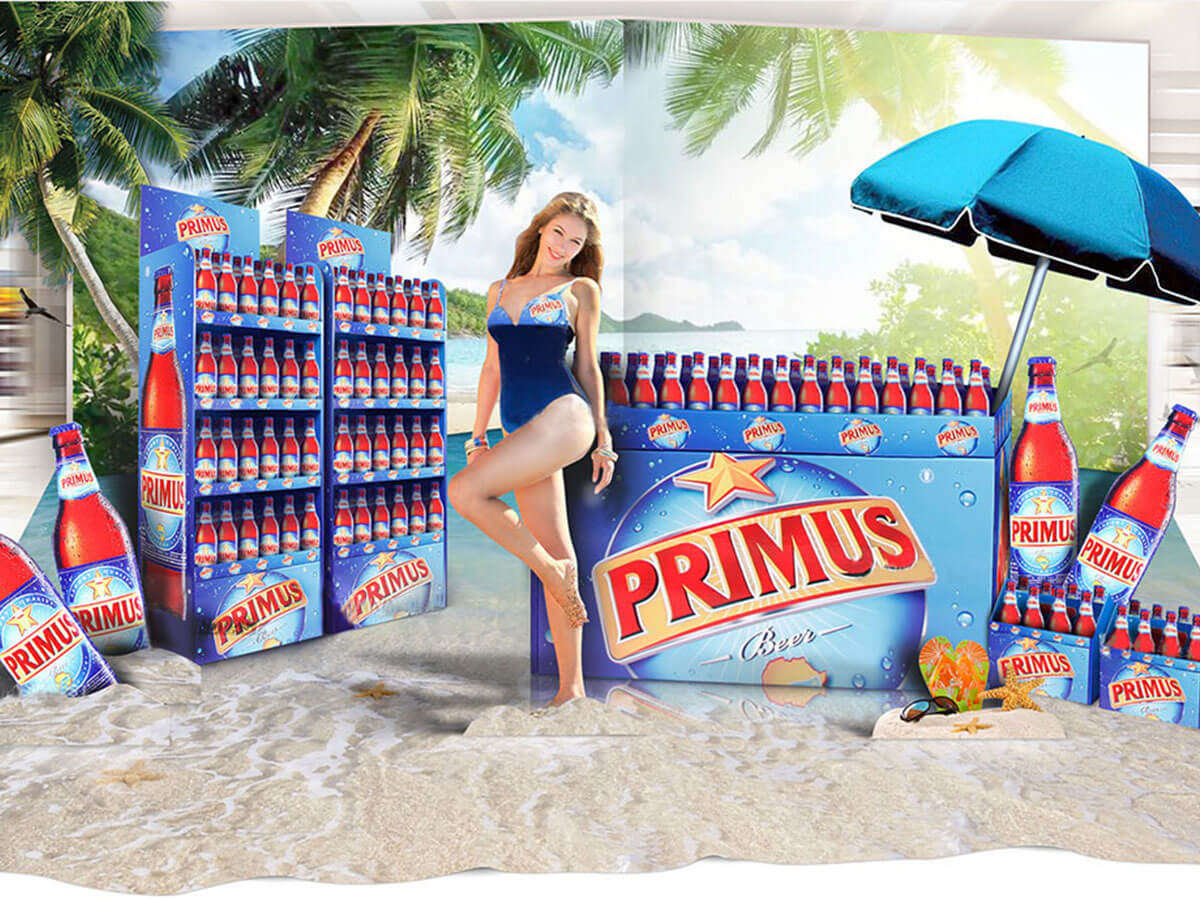
Measuring the success of a POS display campaign is more than just counting how many units you sold.9 A true understanding of ROI requires looking at a variety of metrics.10 [39] The most direct measure is Sales Lift. We establish a baseline by looking at sales data before the display is in the store, and then compare it to the sales data during and after the campaign. [39] Another powerful method is A/B testing, where we compare the sales of a product on a display in one store to the same product on a regular shelf in a similar store. [39] Beyond just sales, we also look at Inventory Turnover to see how quickly the displayed product is selling through. High turnover is a strong indicator of an effective display.11 We also gather qualitative data, such as feedback from the retailers and even shopper interviews, to get a complete picture of the display's performance. [27] By analyzing all this data, we can not only prove the value of the current campaign but also gather invaluable insights to make the next one even more successful.12
Conclusion
In the end, turning shoppers into buyers is about making their decision easy. A well-executed POS display is the most effective tool for achieving this, guiding customers from hesitation to purchase.
"Why Do Some Consumers Still Prefer In-Store Shopping? An ... - PMC", https://pmc.ncbi.nlm.nih.gov/articles/PMC8811303/. This statistic supports the claim that a significant majority of purchase decisions occur in physical retail environments, based on consumer behavior studies. Evidence role: statistic; source type: research. Supports: A large proportion of purchase decisions are made in-store, emphasizing the importance of POS displays.. Scope note: The percentage may vary depending on the type of retail store or product category. ↩
"future research directions in choice overload and its moderators", https://pmc.ncbi.nlm.nih.gov/articles/PMC11111947/. This source explains the psychological phenomenon of choice overload, where excessive options can lead to decision paralysis. Evidence role: definition; source type: encyclopedia. Supports: Shoppers experience choice overload due to the overwhelming number of product options in retail stores.. Scope note: The explanation may focus on general consumer behavior rather than specific retail environments. ↩
"future research directions in choice overload and its moderators - PMC", https://pmc.ncbi.nlm.nih.gov/articles/PMC11111947/. This source provides evidence from consumer behavior studies showing the impact of excessive choices on decision-making. Evidence role: statistic; source type: research. Supports: Excessive choices can lead to decision paralysis, affecting consumer behavior in retail settings.. Scope note: The studies may not specifically address retail environments or POS displays. ↩
"[PDF] The Case for Product Placement - Rutgers Business Review", https://rbr.business.rutgers.edu/sites/default/files/documents/rbr-010105.pdf. This source supports the claim that strategic placement in high-traffic areas increases product visibility and sales. Evidence role: mechanism; source type: education. Supports: Placing POS displays in high-traffic areas enhances visibility and increases the likelihood of purchase.. Scope note: The effectiveness of placement may vary depending on store layout and shopper behavior. ↩
"Using Consumer Behavior Research In Business", https://online.longwood.edu/business/mba/marketing/how-consumer-decisions-are-researched/. This source provides data on the percentage of purchase decisions made in-store, emphasizing the role of POS displays. Evidence role: statistic; source type: research. Supports: A significant percentage of purchase decisions occur in-store, underscoring the importance of POS displays.. Scope note: The percentage may vary across different retail sectors or geographic regions. ↩
"In-store endcap projections and their effect on sales - ScienceDirect", https://www.sciencedirect.com/science/article/pii/S0022435922000446. This source explains how endcap and checkout counter placements influence shopper behavior and increase sales. Evidence role: mechanism; source type: education. Supports: Endcap and checkout counter placements are effective in capturing shopper attention and driving sales.. Scope note: The effectiveness of these placements may depend on the type of product and store layout. ↩
"Point of sale display - Wikipedia", https://en.wikipedia.org/wiki/Point_of_sale_display. This source supports the idea that POS displays act as silent salespeople by communicating product benefits effectively. Evidence role: mechanism; source type: research. Supports: POS displays serve as silent salespeople by effectively communicating product benefits to shoppers.. Scope note: The effectiveness of POS displays may vary depending on design and messaging quality. ↩
"How To Choose the Right POP Display To Maximize Sales", https://www.northernmetalproducts.com/blog/pop-display-maximize-sales/. This source outlines the essential elements of high-converting POS displays, including visual impact and clear messaging. Evidence role: expert_consensus; source type: education. Supports: High-converting POS displays require specific elements like visual impact and clear messaging to drive sales.. Scope note: The elements may not apply universally across all retail environments or product categories. ↩
"Measuring ROI of Point-of-Sale Displays: Unlocking Retail Success", https://footmarks.com/blog/measuring-roi-of-point-of-sale-displays-unlocking-retail-success. This source explains the metrics used to measure the success of POS display campaigns, such as sales lift and inventory turnover. Evidence role: mechanism; source type: education. Supports: Measuring the success of POS display campaigns involves tracking metrics beyond just sales numbers.. Scope note: The metrics may not capture qualitative aspects like shopper engagement or brand perception. ↩
"Measuring ROI of Point-of-Sale Displays: Unlocking Retail Success", https://footmarks.com/blog/measuring-roi-of-point-of-sale-displays-unlocking-retail-success. This source supports the claim that ROI measurement for POS displays involves multiple metrics, including sales lift and inventory turnover. Evidence role: mechanism; source type: research. Supports: Understanding ROI for POS displays requires analyzing multiple metrics to assess campaign effectiveness.. Scope note: The metrics may not account for external factors like seasonal trends or competitor actions. ↩
"[PDF] the effects of employee high turnover within - ScholarWorks", https://scholarworks.calstate.edu/downloads/sf268596z. This source explains how high inventory turnover indicates the effectiveness of a POS display in driving sales. Evidence role: mechanism; source type: research. Supports: High inventory turnover is a key indicator of a POS display's effectiveness in driving sales.. Scope note: High turnover may also result from external factors like promotions or seasonal demand. ↩
"How to Leverage Data Analytics for Smarter Marketing Decisions", https://www.park.edu/blog/how-to-leverage-data-analytics-for-smarter-marketing-decisions/. This source supports the claim that data analysis from POS campaigns provides insights for improving future strategies. Evidence role: mechanism; source type: education. Supports: Analyzing data from POS campaigns helps refine strategies and improve future campaign effectiveness.. Scope note: The insights may be specific to certain retail environments or product categories. ↩
