
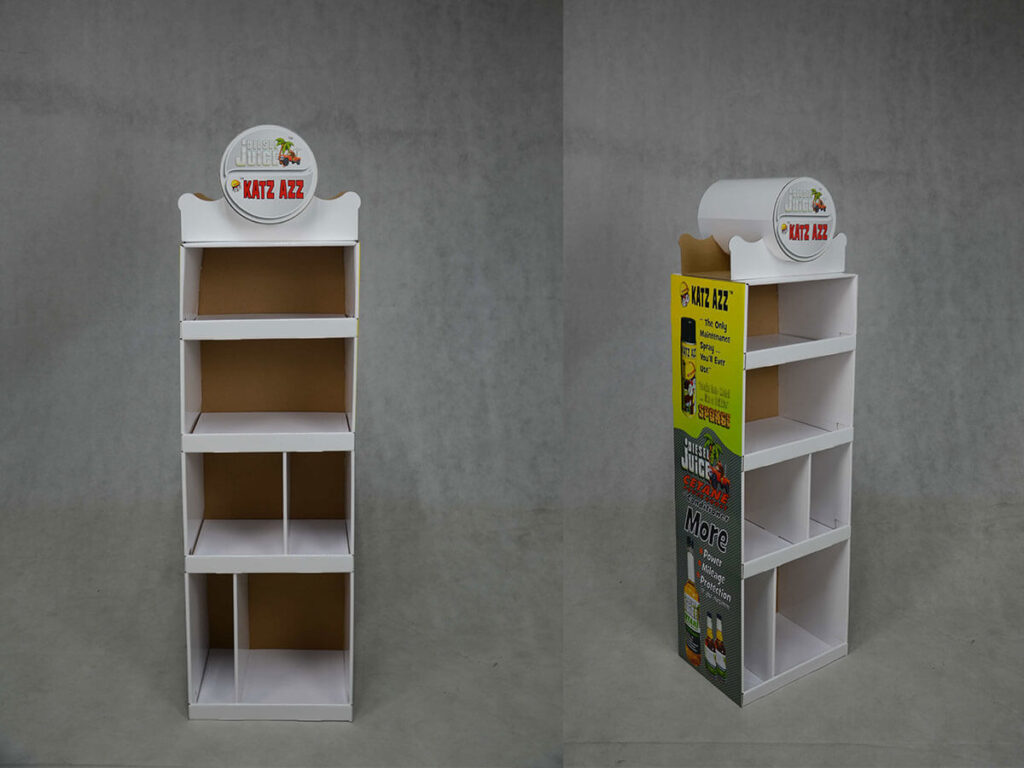

You have a great product, but getting it into major retailers is tough. Their shelves are crowded and their staff is busy. Your product could get rejected before it ever gets seen.
Shelf-Ready Packaging (SRP) helps get your product on shelves by making stocking incredibly easy for store staff.1 It's a single unit that goes from shipping case to display in seconds, meeting the strict efficiency demands of retailers like Walmart and Target.

So, we know that this type of packaging is a huge advantage. But what does that mean for you and your product? It's more than just a box; it's a strategy. To get it right, you need to understand exactly what retailers are looking for and how to deliver it. Let's dive into the details that can make or break your retail launch.
What Exactly is Retail-Ready Packaging (RRP)?
Heard the term RRP but feel like it's just another industry buzzword? It sounds complex, but it's not. It's simply packaging that doubles as its own display case on the shelf.
Retail-Ready Packaging, or RRP, is a type of product packaging that allows goods to be delivered in a ready-to-sell unit.2 It's designed to be easily placed on the shelf without unpacking individual items, which saves huge amounts of time and labor for retailers.
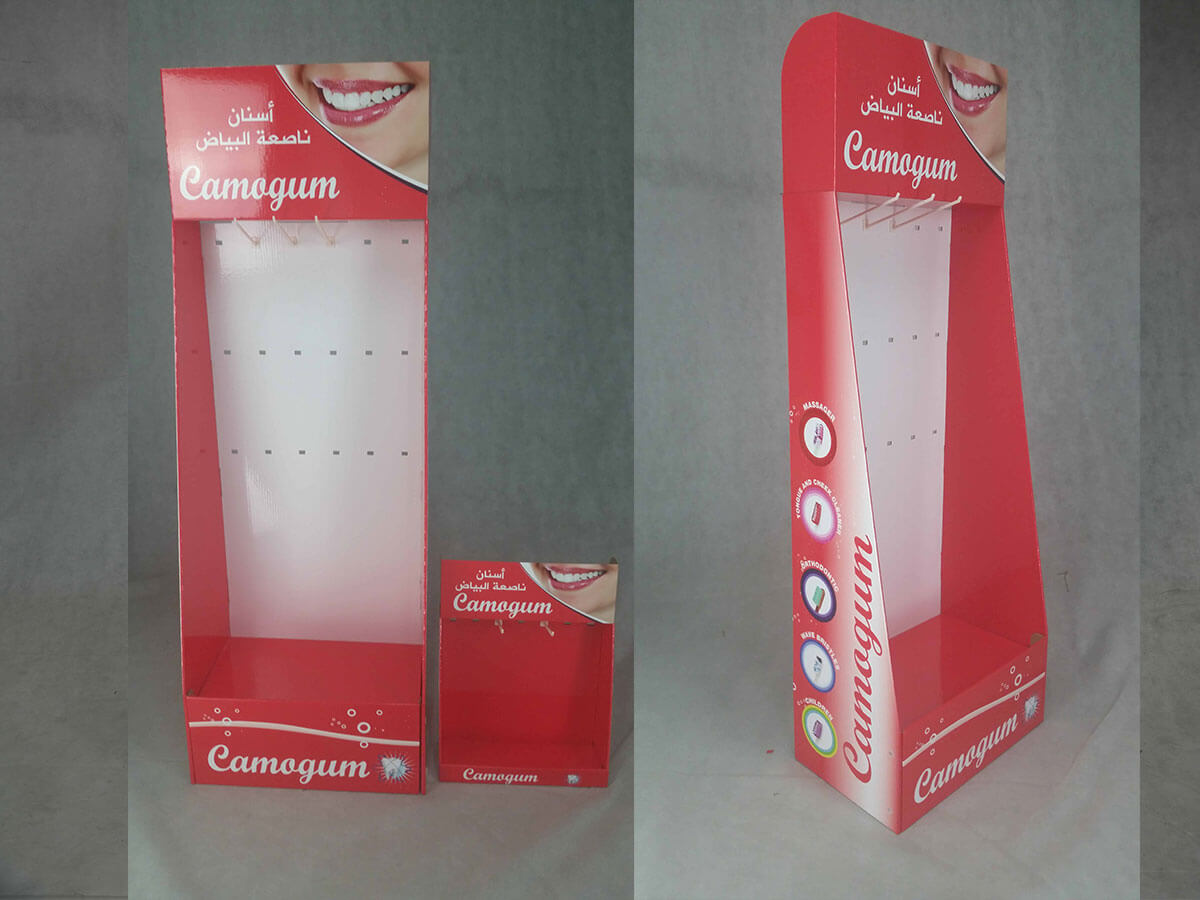
At its core, RRP is guided by a principle often called the "Five Easies." I've seen brands succeed or fail based on how well they follow these. It's a simple checklist that makes a world of difference to the people handling your product in the store. Thinking from their perspective is the key to getting your product placed. We design for the end-user, the shopper, but we must first design for the store employee. If they have a hard time with your product, it won't get the placement you want.
Here’s a breakdown of what that means:
| The "Five Easies" | Why It Matters to Retailers |
|---|---|
| Easy to Identify | Staff can quickly find the product in a crowded stockroom. |
| Easy to Open | No tools needed. Simple perforations allow for quick opening. |
| Easy to Shelve | The unit fits perfectly onto the shelf in one motion. |
| Easy to Shop | Customers can easily see and take the product. |
| Easy to Dispose | The empty box is easily broken down and recycled. |
Why Do Big Retailers Like Walmart Demand Shelf-Ready Packaging?
You want your product in Walmart, Target, or Costco. But their long list of requirements can feel overwhelming, and a rejection is expensive. Understanding their need for SRP is the first step.
Big retailers demand Shelf-Ready Packaging (SRP) to boost their operational efficiency.3 It cuts stocking time, lowers labor costs, ensures consistent branding on shelves, and improves the customer shopping experience. For their fast-paced business model, it's non-negotiable.
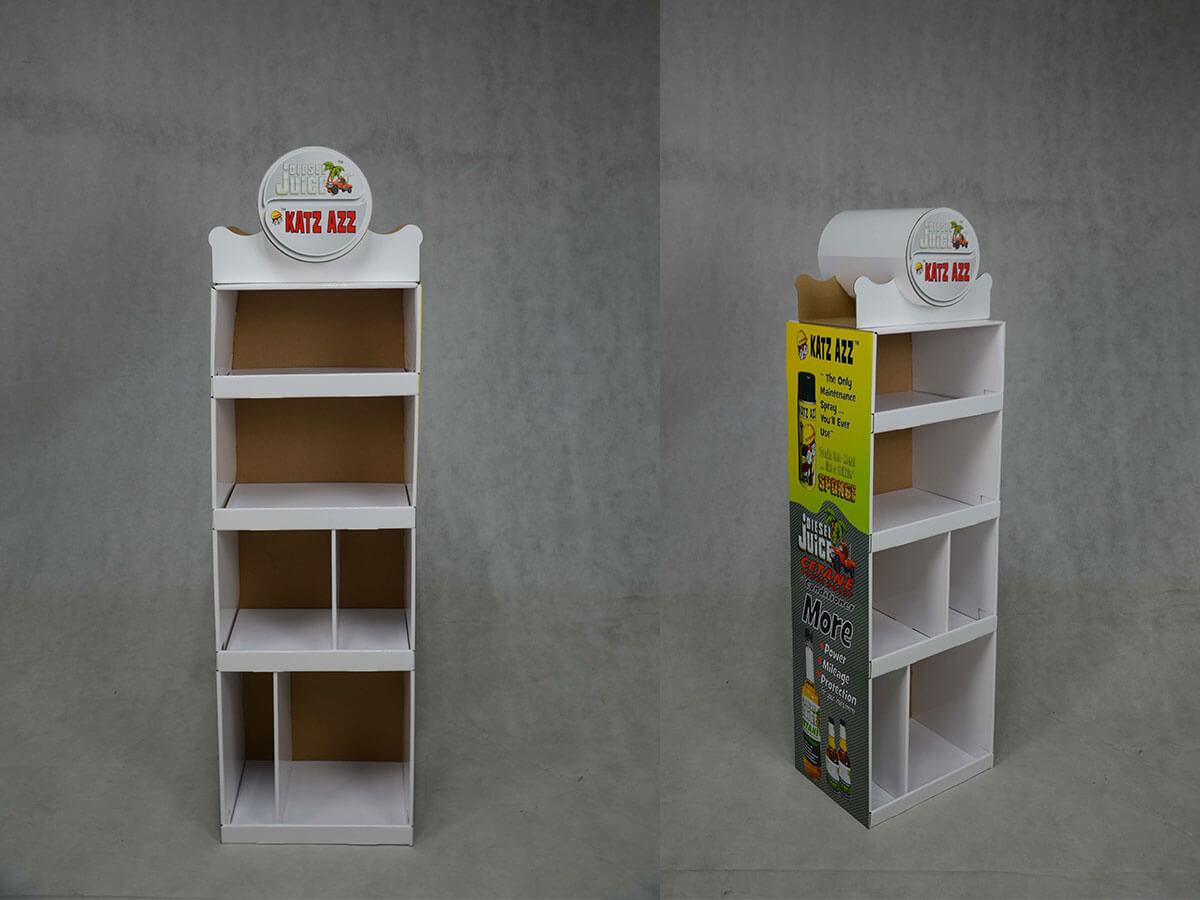
For massive retailers, time is literally money. Every second saved in every store adds up to millions of dollars in labor savings.4 I work with brands targeting these stores every day, and the conversation always comes back to efficiency. Without a solid SRP strategy, a buyer at a major chain won't even take the meeting. They need to know that your product will make their life easier, not harder.
The Labor-Saving Advantage
Imagine a stocker has to open a case and place 24 individual items on a shelf. That might take two or three minutes. With a well-designed SRP, they tear a perforation and place the entire tray on the shelf in less than 15 seconds. Now, multiply that time savings by thousands of products in thousands of stores. You can see why it's a critical requirement. It reduces the time employees spend in the aisles and minimizes disruption for shoppers.
Brand Consistency and Compliance
Retailers want their stores to look clean, organized, and uniform. SRP helps them achieve this.5 The packaging acts as a mini-billboard, ensuring your product is always displayed correctly with the brand name facing forward. It prevents messy shelves where products can fall over or get pushed to the back. When we design these displays, we're creating a tool that enforces brand standards right on the shelf, which is something retailers love.
How Do You Design Effective Retail-Ready Packaging?
So you know you need SRP, but where do you even begin? A bad design can be worse than having no SRP at all. It can lead to damaged products, frustrated store staff, and retailer rejection.
Effective RRP design balances structural integrity, branding, and retailer compliance.6 It must protect the product during shipping, be easy for staff to handle, feature clear branding that attracts shoppers, and strictly follow the specific guidelines of your target retailers.

Designing effective SRP is a balancing act. From my experience in manufacturing, success comes from nailing three key areas. Getting any one of them wrong can jeopardize the whole project. You have to think like an engineer, a marketer, and a logistics manager all at the same time. It’s a challenge, but when you get it right, the results are fantastic.
The Structural Design
This is the foundation. We spend a lot of our time perfecting the structural design and die-lines. The corrugated material must be strong enough to survive shipping across the ocean but have perforations that a store employee can tear open easily with their bare hands.7 We have to consider factors like flute direction for stacking strength and the precise pattern of the perforations. It's a science. A weak box gets crushed, and a box that’s too strong won't get opened.8
The Graphic Design
An SRP isn't just a shipping carton; it's a marketing vehicle. The graphics must be bold and clear.9 When that top is torn off, the tray that remains on the shelf becomes your billboard. It needs to grab the shopper's attention in the three seconds they spend scanning the aisle. We often recommend printing on the inside of the box as well, so when it's opened, it creates a fully branded experience. Use strong colors, a clear logo, and simple messaging.
Retailer Guidelines are Key
This is the most important rule. Walmart, Costco, Lowe's, and Target all have their own detailed manuals for SRP.10 They specify everything from overall dimensions and material weight to the exact location of barcodes. I once had a client who designed a beautiful SRP, but it was a quarter-inch too tall for the standard shelf height at their target retailer. We had to redesign the entire thing. My advice is always the same: get the retailer's latest guideline book before you do anything else.
What Are the Common Mistakes to Avoid with SRP?
You're ready to invest in SRP, which is great. But a single, avoidable mistake can cost you thousands of dollars in wasted inventory and destroy a hard-won retail opportunity.
Common mistakes include ignoring retailer-specific guidelines, using weak materials that fail in transit, creating perforations that are too hard or too easy to open, and poor graphic design that hides the product. Prioritizing low cost over tested quality is a frequent and fatal error.

I've seen it all over the years. Brands come to us to rescue a project after their first attempt failed. These mistakes are almost always preventable with proper planning and an experienced partner. Learning from the pitfalls others have faced is the cheapest way to get it right the first time. The goal is to make your product's journey from our factory to the customer's cart as smooth as possible.
Here are some of the most common issues I see and how to avoid them:
| Common Mistake | The Right Solution |
|---|---|
| Ignoring Retailer Guides | Get the latest guide from your target retailer before starting design. Design to their exact specs. |
| Weak Structure | Use the right corrugated material (e.g., B-flute) and test for compression strength. The box must survive shipping. |
| Bad Perforations | Test the "tear" experience. It should be easy to open without tools but strong enough to hold together during transit. |
| Confusing Graphics | Design graphics that are simple, bold, and easy to read from a distance. The brand and product type should be obvious. |
| One-Size-Fits-All | A design for a Target shelf won't work on a Costco pallet.11 Customize your SRP for each specific retailer's environment. |
One of the biggest traps is under-engineering the box to save a few cents. I saw a case where a company's SRPs were collapsing in the warehouse before they were even shipped. The money they "saved" on cheaper cardboard was lost ten times over in damaged product.12 It’s critical to find a balance between cost and the structural integrity needed to protect your product all the way to the shelf.
Conclusion
Retail-Ready Packaging isn't just a box. It's your ticket onto major retail shelves by making life easier for retailers and helping your brand stand out. Plan it right.
"Shelf-ready packaging - Wikipedia", https://en.wikipedia.org/wiki/Shelf-ready_packaging. This source explains how Shelf-Ready Packaging (SRP) simplifies stocking processes for retail staff by reducing handling time and improving efficiency. Evidence role: mechanism; source type: education. Supports: Shelf-Ready Packaging (SRP) helps get your product on shelves by making stocking incredibly easy for store staff.. ↩
"Shelf-ready packaging - Wikipedia", https://en.wikipedia.org/wiki/Shelf-ready_packaging. This source defines Retail-Ready Packaging (RRP) as packaging designed to transition directly from shipping to shelf display, minimizing handling. Evidence role: definition; source type: encyclopedia. Supports: Retail-Ready Packaging, or RRP, is a type of product packaging that allows goods to be delivered in a ready-to-sell unit.. ↩
"Why Use Shelf Ready Packaging: Key Insights and Trends", https://greatnorthernpackaging.com/2021/07/29/the-rise-of-shelf-ready-packaging/. This source discusses how major retailers like Walmart and Target use Shelf-Ready Packaging (SRP) to improve operational efficiency and reduce labor costs. Evidence role: mechanism; source type: research. Supports: Big retailers demand Shelf-Ready Packaging (SRP) to boost their operational efficiency.. ↩
"Shelf-Ready Packaging Pays Off: Labor, Speed, and Shelf Impact", https://www.linkedin.com/pulse/shelf-ready-packaging-pays-off-labor-speed-shelf-regje. This source estimates the labor cost savings achieved by using Shelf-Ready Packaging (SRP) in large retail operations. Evidence role: statistic; source type: research. Supports: Every second saved in every store adds up to millions of dollars in labor savings.. Scope note: The exact savings may vary depending on the retailer's scale and operational model. ↩
"Shelf-ready packaging - Wikipedia", https://en.wikipedia.org/wiki/Shelf-ready_packaging. This source explains how Shelf-Ready Packaging (SRP) contributes to maintaining clean and organized retail shelves, enhancing brand consistency. Evidence role: mechanism; source type: education. Supports: SRP helps them achieve this.. ↩
"What RRP requirements apply to a comprehensive renovation ... - EPA", https://www.epa.gov/lead/what-rrp-requirements-apply-comprehensive-renovation-project-involving-removal-and-replacement. This source outlines the key elements of effective Retail-Ready Packaging (RRP) design, including structural integrity, branding, and compliance with retailer guidelines. Evidence role: expert_consensus; source type: education. Supports: Effective RRP design balances structural integrity, branding, and retailer compliance.. ↩
"Lead Renovation, Repair and Painting Program | US EPA", https://www.epa.gov/lead/lead-renovation-repair-and-painting-program. This source discusses the material and structural requirements for Retail-Ready Packaging (RRP), including durability during shipping and ease of opening. Evidence role: mechanism; source type: research. Supports: The corrugated material must be strong enough to survive shipping across the ocean but have perforations that a store employee can tear open easily with their bare hands.. ↩
"Effect of reactive balance training on physical fitness poststroke", https://pmc.ncbi.nlm.nih.gov/articles/PMC7328813/. This source discusses the balance required in Retail-Ready Packaging (RRP) design between structural strength and ease of opening. Evidence role: mechanism; source type: research. Supports: A weak box gets crushed, and a box that’s too strong won't get opened.. ↩
"Importance - Wikipedia", https://en.wikipedia.org/wiki/Importance. This source emphasizes the importance of bold and clear graphics in Retail-Ready Packaging (RRP) to attract shopper attention. Evidence role: expert_consensus; source type: education. Supports: The graphics must be bold and clear.. ↩
"Shelf Ready Packaging (SRP) - Fefco", https://www.fefco.org/benefits-corrugated/meet-business-requirements/shelf-ready-packaging. This source confirms that major retailers like Walmart and Target provide detailed guidelines for Shelf-Ready Packaging (SRP) to ensure compliance. Evidence role: case_reference; source type: institution. Supports: Walmart, Costco, Lowe's, and Target all have their own detailed manuals for SRP.. Scope note: The specific guidelines may vary between retailers and over time. ↩
"Shelf-ready packaging - Wikipedia", https://en.wikipedia.org/wiki/Shelf-ready_packaging. This source explains how Retail-Ready Packaging (RRP) must be customized for different retail environments, such as Target shelves versus Costco pallets. Evidence role: mechanism; source type: education. Supports: A design for a Target shelf won't work on a Costco pallet.. ↩
"Effect of Scaling and Root Planing on Surface Characteristics ... - PMC", https://pmc.ncbi.nlm.nih.gov/articles/PMC12244601/. This source highlights the risks of using low-quality materials in Retail-Ready Packaging (RRP), including increased product damage and financial losses. Evidence role: case_reference; source type: research. Supports: The money they "saved" on cheaper cardboard was lost ten times over in damaged product.. Scope note: The financial impact may vary depending on the product and supply chain conditions. ↩
