
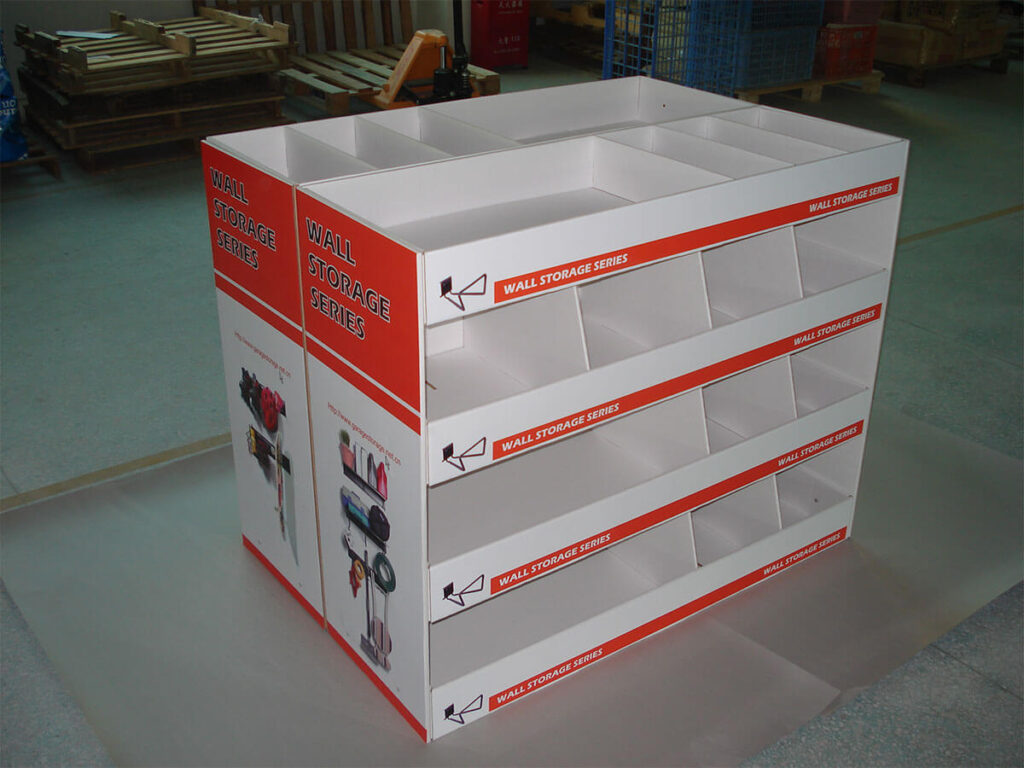

Your product is great, but it gets lost on crowded store shelves. This means you are losing sales every single day. Strategic Point of Purchase (POP) displays can fix this.
Point of Purchase displays influence impulse buying by creating high visibility, using compelling visuals to trigger an emotional response, and making products easy to grab.1 They interrupt a shopper's planned trip and introduce an unplanned, spontaneous purchase right at the moment of decision.
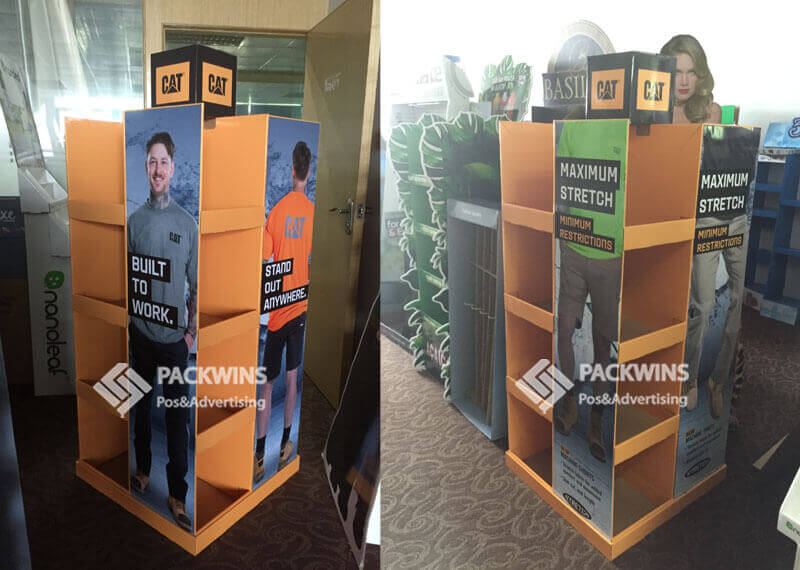
It sounds simple on the surface. But there is a real strategy behind making a shopper stop, look, and buy something they didn't plan on getting. As someone who has designed these displays for years for major retailers like Walmart and Costco, I've seen firsthand what works. It's a mix of psychology, art, and smart logistics. Let's break down exactly how these displays work their magic and how you can use them to make your sales climb.
What Psychological Triggers Do POP Displays Use?
You know your product is fantastic, but shoppers just walk right past it. It's frustrating when a competitor gets the sale just because their product was more visible. Understanding the psychology behind POP displays is the key to stopping shoppers in their tracks.
POP displays use psychological triggers like urgency with "limited-time" offers, scarcity with "while supplies last" signs, and color psychology to create an emotional appeal.2 These tactics interrupt a shopper's routine and prompt an unplanned purchase by making the decision feel immediate and important.

Let's dive deeper into how these triggers work. When I work with a brand manager, we don't just think about making a display look good. We think about how to make a customer feel. The goal is to bypass the logical, budget-focused part of the brain and appeal directly to emotion. Urgency is a powerful tool. A sign that says "Sale Ends Sunday" creates a fear of missing out, pushing a hesitant buyer to act now.3 Scarcity works similarly. If a display holds only a few items, shoppers perceive them as more valuable and in-demand.4 Color is another huge factor. Different colors evoke different emotions, and we use this to our advantage.5 A bright red can signal excitement or a sale, while green can suggest natural or healthy qualities. It's about creating a complete sensory experience that makes a customer think, "I need this now."
| Trigger | How It Works | Example Message |
|---|---|---|
| Urgency | Creates a deadline for the purchase. | "Holiday Special!" |
| Scarcity | Suggests the product might run out. | "Only 20 Left!" |
| Social Proof | Shows that others are buying it. | "Bestseller" |
| Color | Evokes an emotional response. | Red for sales, Green for organic |
How Does Placement Affect a POP Display's Success?
You've invested time and money into a beautiful display, but it's not delivering the sales you expected. Poor placement can make even the best design totally invisible. This wastes your budget and your effort. Strategic placement is absolutely essential to getting the most from your display.
Placement is critical for success. High-traffic areas like store entrances, the ends of aisles (end caps), and checkout counters are prime real estate.6 Placing displays near complementary products also triggers impulse buys by suggesting a need the shopper hadn't even considered.
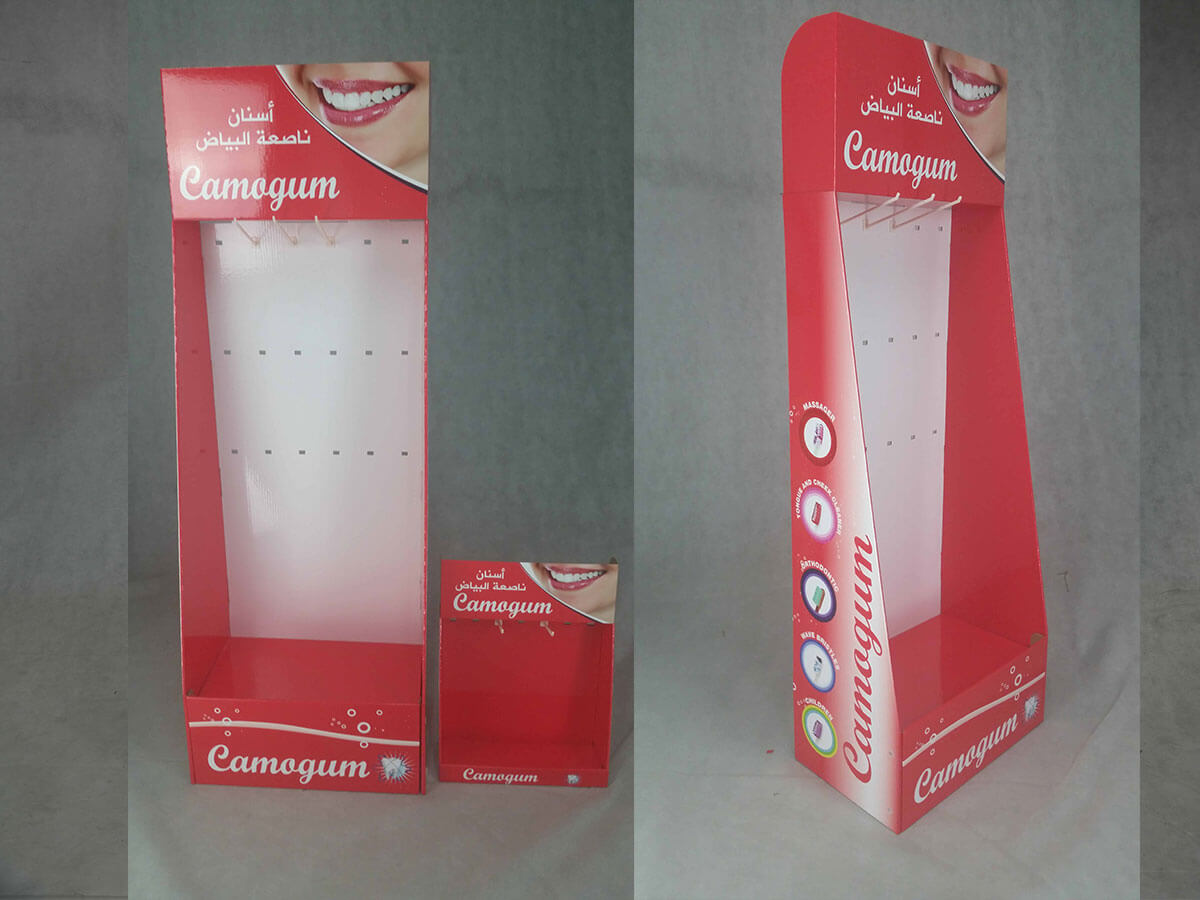
Where you put your display is just as important as what it looks like. Think of a retail store as a roadmap. We want to place our display at the busiest intersections. The area near the entrance is what I call a "decompression zone," where shoppers adjust to the store's environment.7 A bold display here can set the tone for their entire trip. End caps are the most valuable real estate in the aisles.8 Shoppers naturally look at them as they turn a corner, so they get a ton of eyeballs. This is where we often place our big, custom-designed floor displays for clients targeting stores like Target or Lowe's. And of course, the checkout counter is the final frontier for impulse buys. While waiting in line, customers are a captive audience. Small countertop displays with low-priced items like candy, batteries, or gift cards are incredibly effective here.9 It's all about being in the right place at the right time.
| Placement Location | Shopper Mindset | Best For... |
|---|---|---|
| Store Entrance | Open to suggestions, just starting trip. | New products, seasonal items. |
| Aisle End Cap | Navigating, looking for main items. | High-margin products, promotions. |
| Checkout Counter | Waiting, bored, open to small treats. | Low-cost items, last-minute buys. |
| Near Related Items | Focused on a specific need. | Complementary products (e.g., chips near soda). |
Can the Right Design Really Boost Sales?
Your current display just blends in with all the other visual noise in the store. A boring design fails to tell your brand's story. It won't stop a busy shopper who is focused on their shopping list. A custom, eye-catching design is not a luxury; it's a necessity for driving impulse sales.
Yes, the right design can dramatically boost sales. An effective display grabs attention from a distance, clearly communicates the product's benefits, and reinforces your brand's identity.10 Strong graphics, a clear call-to-action, and a structure that makes the product easy to grab are key.
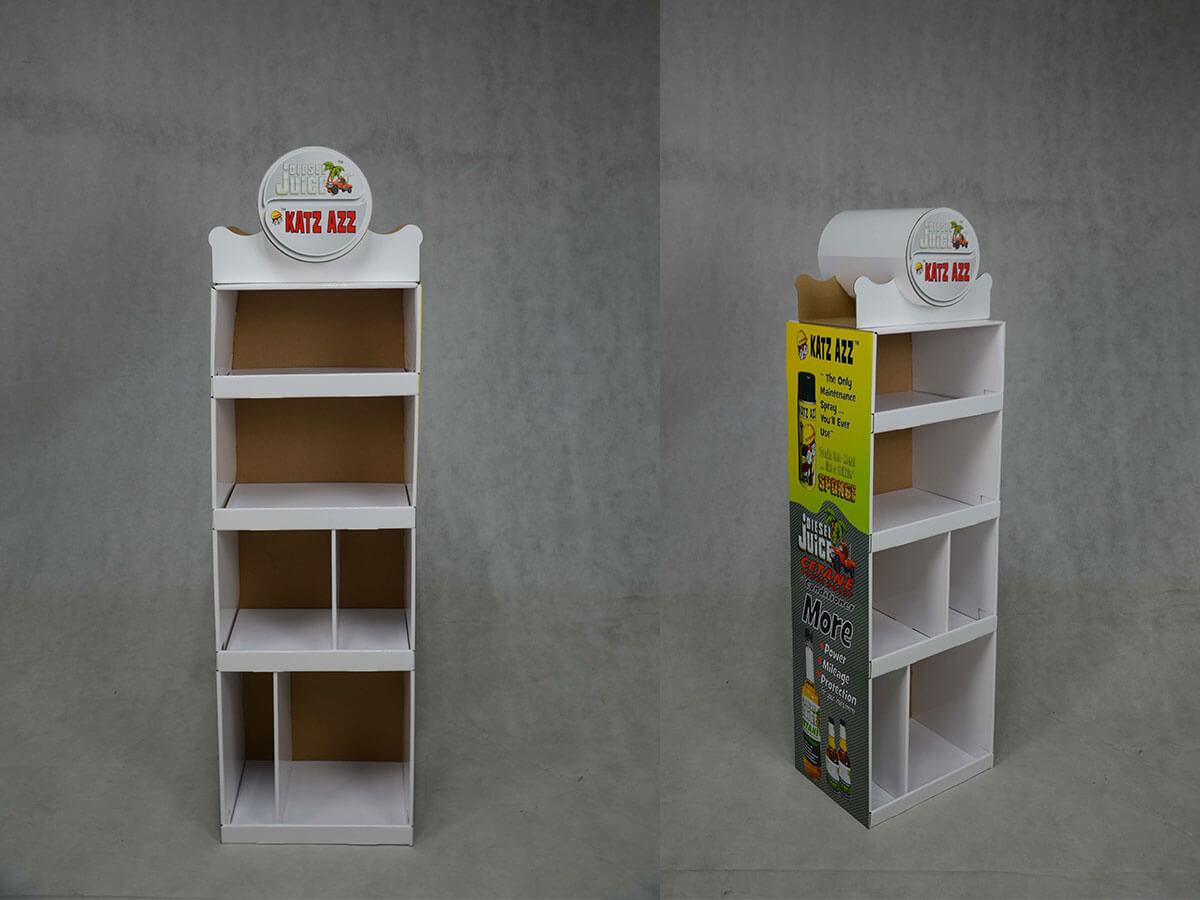
Design is where we can get really creative. I remember working with a new snack brand. Their packaging was great, but it was getting lost on the shelf. We designed a floor display that looked like their main character mascot was holding the snacks out for shoppers. It was impossible to ignore. The design has to do three things very quickly. First, it must be a beacon. It needs to use color, shape, and size to stand out. Second, it must communicate. The messaging needs to be simple and direct. "New Flavor," "Great Value," or "Easy Meal Idea." No one is going to stop and read a paragraph. Third, it must be functional. The structure should present the product in an appealing way and make it effortless for someone to pick one up. If a customer has to reach or dig for a product, you might lose the sale. Good design removes all friction between seeing the product and putting it in the cart.11
Key Design Elements
- Strong Branding: Your logo and brand colors should be instantly recognizable.
- Clear Messaging: Use short, powerful headlines. What is the one thing you want the customer to know?
- Appealing Graphics: High-quality images of the product in use can be very effective.
- Unique Structure: A custom shape that relates to your product can be a powerful attention-grabber.
Why is Cardboard the Go-To Material for Impulse Buys?
You need an effective display solution, but you're worried about high costs and complex logistics. Permanent displays made of metal or plastic are expensive, heavy, and difficult to change for seasonal campaigns. This is exactly why custom cardboard displays are the perfect solution for impulse-driven promotions.
Cardboard is the go-to material because it is cost-effective, lightweight, and incredibly versatile for custom printing and structural design.12 It allows brands to create unique, temporary displays for specific campaigns without a huge investment, maximizing the return on investment for short-term promotions.
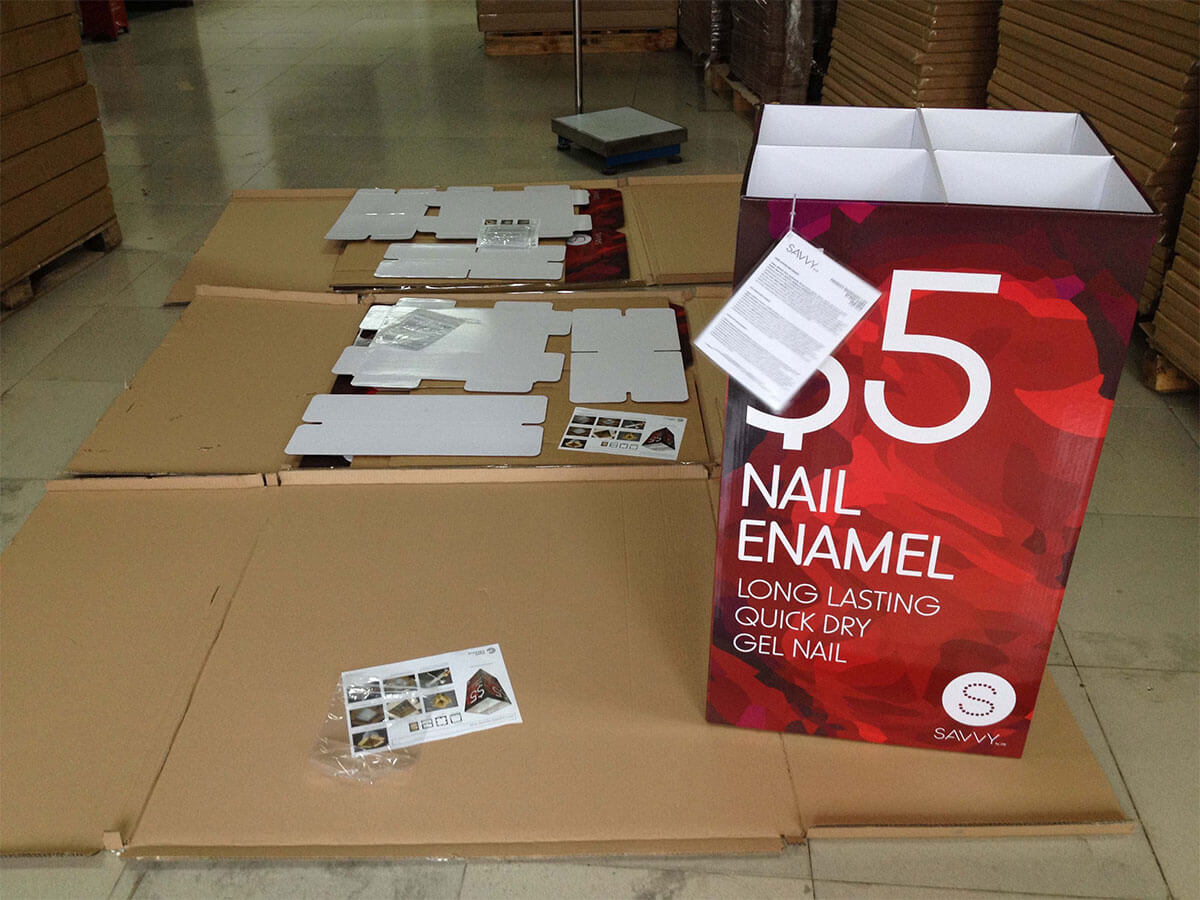
At Packwins, we specialize in corrugated cardboard displays, and for good reason. For promotions aimed at impulse buys, you need speed and flexibility, and cardboard delivers both. We can design, print, and produce a completely custom display in a short amount of time. Because it's so lightweight, shipping costs are much lower. We often ship them flat-packed directly to stores like Sam's Club, where they can be assembled in minutes. This is a huge advantage over heavy, permanent fixtures. The print quality on modern cardboard is also amazing, allowing for vibrant, photo-realistic graphics that make products pop. Plus, cardboard is sustainable and recyclable, which is a message that resonates with both brands and consumers today. It offers the best of all worlds: high impact at a low cost, with the flexibility to keep your marketing fresh and exciting.
| Feature | Benefit of Cardboard Displays |
|---|---|
| Cost | Significantly lower production cost than metal or wood. |
| Weight | Lowers shipping costs and makes them easy to move in-store. |
| Customization | Can be cut to any shape and printed with any design. |
| Speed | Fast turnaround time from design to production. |
| Sustainability | Easily recyclable, appealing to eco-conscious consumers. |
Conclusion
In short, POP displays use smart psychology, placement, and design to drive impulse sales. A great cardboard display is one of the most effective tools for getting your product noticed.
"[PDF] The Impact of Visual Cues and Service Behavior on the Consumer ...", https://digitalcommons.usu.edu/cgi/viewcontent.cgi?article=1210&context=honors. This source explains how Point of Purchase displays utilize visibility, emotional triggers, and accessibility to influence consumer behavior. Evidence role: mechanism; source type: education. Supports: Point of Purchase displays influence impulse buying by creating high visibility, using compelling visuals to trigger an emotional response, and making products easy to grab.. ↩
"15 Psychological Marketing Triggers to MAKE PEOPLE BUY From ...", https://medium.com/@salmancz/15-psychological-marketing-triggers-to-make-people-buy-from-you-sell-anything-d92d65c07c48. This source discusses the psychological triggers, such as urgency and scarcity, that are commonly used in retail displays to influence consumer decisions. Evidence role: mechanism; source type: education. Supports: POP displays use psychological triggers like urgency with "limited-time" offers, scarcity with "while supplies last" signs, and color psychology to create an emotional appeal.. ↩
""#FOMO: How the Fear of Missing Out Drives Consumer Purchase ...", https://digitalcommons.georgiasouthern.edu/amtp-proceedings_2018/41/. This source discusses how urgency in marketing messages, such as limited-time offers, can influence consumer behavior by creating a fear of missing out. Evidence role: mechanism; source type: education. Supports: Urgency is a powerful tool. A sign that says "Sale Ends Sunday" creates a fear of missing out, pushing a hesitant buyer to act now.. ↩
"[PDF] the psychological effects of perceived scarcity on consumers", https://digitalcommons.unl.edu/cgi/viewcontent.cgi?article=1045&context=businessdiss. This source explains how scarcity in retail displays can create a perception of higher value and urgency among consumers. Evidence role: mechanism; source type: education. Supports: Scarcity works similarly. If a display holds only a few items, shoppers perceive them as more valuable and in-demand.. ↩
"Color Psychology Used in Marketing: An Overview", https://appliedpsychologydegree.usc.edu/blog/color-psychology-used-in-marketing-an-overview. This source explores the role of color psychology in retail marketing and how different colors can evoke specific emotions. Evidence role: mechanism; source type: education. Supports: Color is another huge factor. Different colors evoke different emotions, and we use this to our advantage.. ↩
"The Psychology Of Retail: How Store Layout Impacts Sales - Forbes", https://www.forbes.com/councils/forbesbusinesscouncil/2025/01/03/the-psychology-of-retail-how-store-layout-impacts-sales/. This source highlights the importance of strategic placement in retail environments, particularly in high-traffic areas, to maximize visibility and sales. Evidence role: mechanism; source type: education. Supports: Placement is critical for success. High-traffic areas like store entrances, the ends of aisles (end caps), and checkout counters are prime real estate.. ↩
"Why Customers Turn Right in Stores: Retail Traffic Flow Psychology ...", https://www.sergiomannino.com/insights/why-customers-turn-right-in-stores-retail-traffic-flow-psychology-explained?srsltid=AfmBOoo6l0E_6uqgjGntWPTkLbd_5Kl_jJvAGLJ8xy4gNfGyOVv0zILA. This source describes the concept of the 'decompression zone' in retail environments and its impact on shopper behavior. Evidence role: definition; source type: education. Supports: The area near the entrance is what I call a "decompression zone," where shoppers adjust to the store's environment.. ↩
"Endcap Displays vs. Floor Displays: The Pros and Cons for Grocery ...", https://kinter.com/blog/endcap-vs-floor-display. This source explains why end caps are considered prime locations in retail stores due to their high visibility and impact on sales. Evidence role: mechanism; source type: education. Supports: End caps are the most valuable real estate in the aisles.. ↩
"How Effective Are Retail Counter Displays for Impulse Buys?", https://mcintyredisplays.com/blog/effectiveness-of-retail-counter-displays/. This source discusses the effectiveness of small countertop displays in driving impulse purchases at checkout counters. Evidence role: mechanism; source type: education. Supports: Small countertop displays with low-priced items like candy, batteries, or gift cards are incredibly effective here.. ↩
"Retail Store Design Principles: The Ultimate Guide - S-Cube Fixtures", https://www.scubefixtures.com/blog/retail-store-design-principles. This source explains how effective retail displays use visual design and branding to attract attention and communicate product benefits. Evidence role: mechanism; source type: education. Supports: An effective display grabs attention from a distance, clearly communicates the product's benefits, and reinforces your brand's identity.. ↩
"Design Choice and Their Impact on Consumer Decisions - SNHU", https://in.snhu.edu/blogs/design-choice-and-their-impact-on-consumer-decisions. This source explains how effective retail design minimizes barriers to purchase by simplifying the customer experience. Evidence role: mechanism; source type: education. Supports: Good design removes all friction between seeing the product and putting it in the cart.. ↩
"5 Key Advantages of Cardboard Displays for Retail Success", https://grandfly.com/5-key-advantages-of-cardboard-displays-for-retail-success/. This source outlines the advantages of cardboard as a material for retail displays, including cost-effectiveness and versatility. Evidence role: general_support; source type: education. Supports: Cardboard is the go-to material because it is cost-effective, lightweight, and incredibly versatile for custom printing and structural design.. ↩
